







Managing catch crops in compliance with the new CAP 2023 conditions
The new Common Agricultural Policy (CAP) currently requires minimum soil cover on 80% of arable land over winter from autumn 2023 onwards (see GAEC 6 minimum soil cover in your federal state). One way of meeting this requirement is to grow catch crops. In addition, in areas polluted by nitrate or phosphate, the German Fertiliser Ordinance (Düngeverordnung) requires catch crops to be grown before spring crops if these are to be fertilised with nitrogen or phosphate. The rules are intended to protect soil that would otherwise be unprotected over winter from erosion and nutrient leaching. In general, given the high price of fertilisers and the possible impact on the environment, storing nutrients by growing catch crops should be in every farmer’s interest.
What needs to be considered, and how can you prepare for the new situation?
Catch crops cover, shade and root through the soil, activate soil organisms, improve the air and water balance, build humus and increase soil fertility. The water and nutrients they use while growing are returned as they decompose, so they are available to the following main crop. Farmers know all this, and many are already doing it. Now it is becoming a legal requirement.

The new challenge is to keep the soil covered in line with the law and to break down and incorporate the plants of the catch crop mixtures in good time, so that they no longer cause problems when the spring crops are sown.
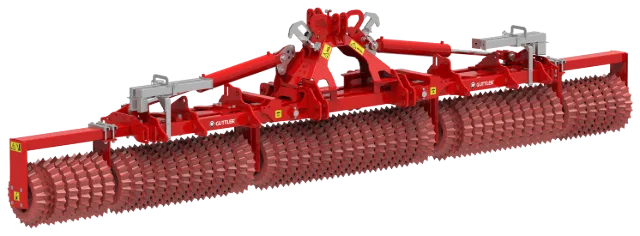
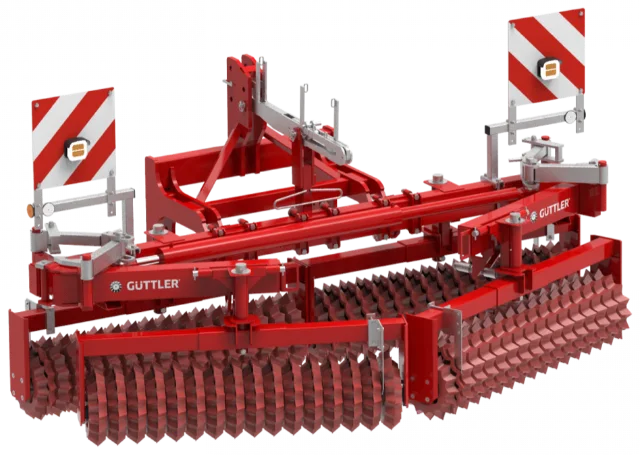
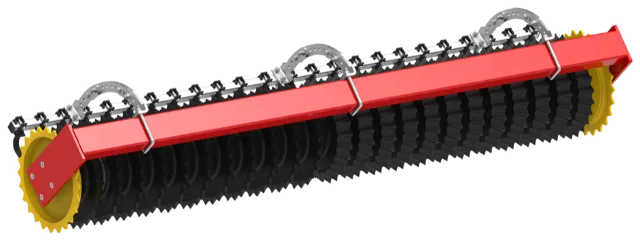
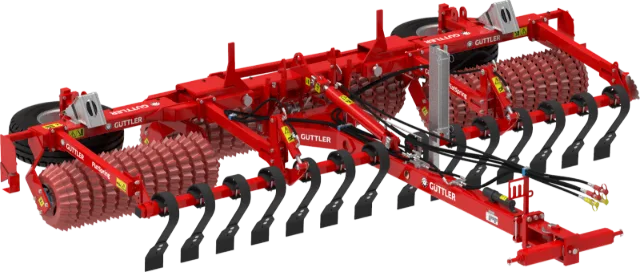
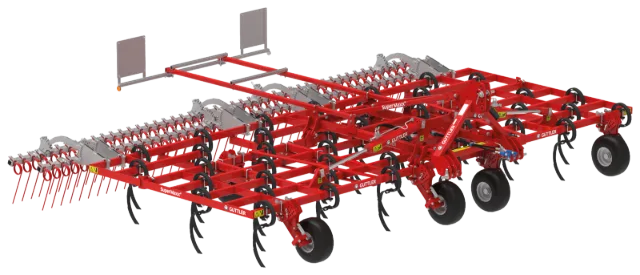
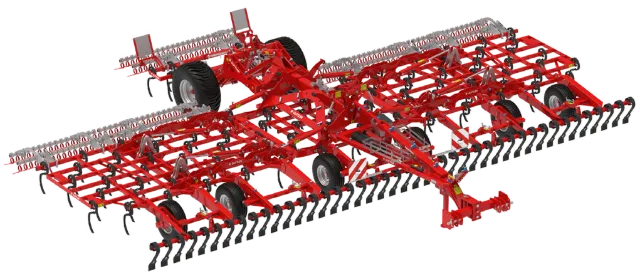
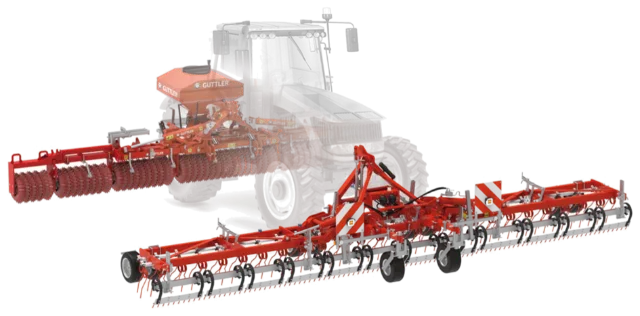
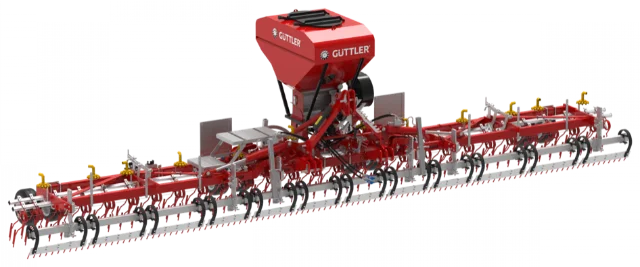
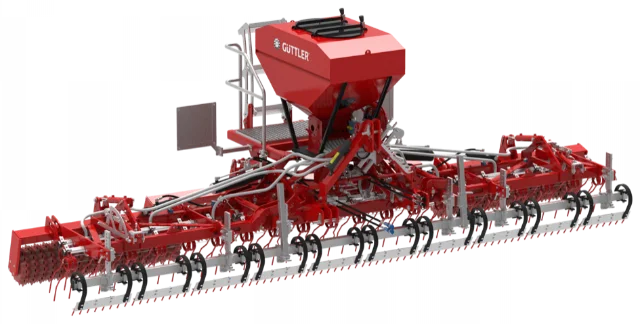
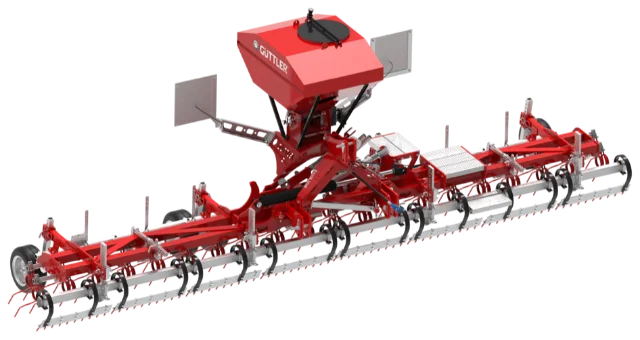
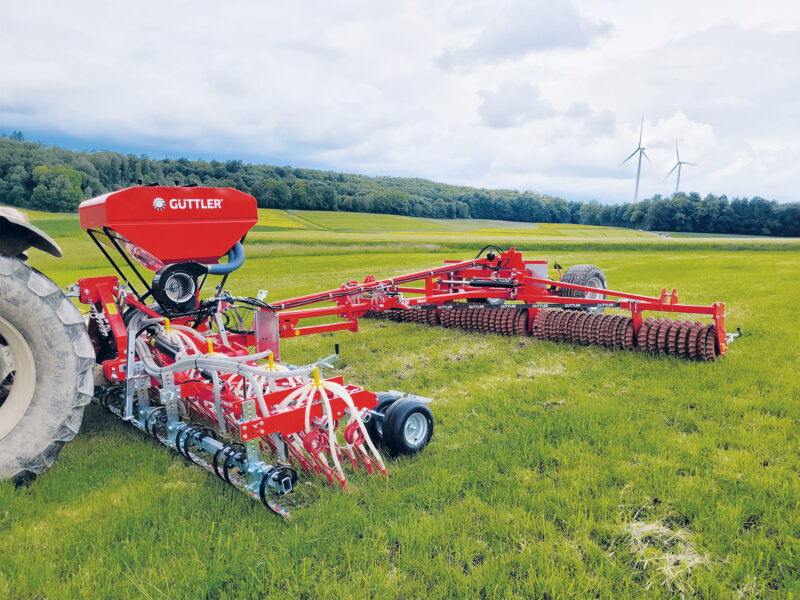
This means the catch crop must be sown as carefully as possible to establish an even, lush and dense stand of at least 4 different plant species – the more the better – even in dry conditions. Rolling with the prism roller is usually helpful and worthwhile to keep the water in the soil. Plant breeders offer very good mixtures that can also cope with little water.
Turning obligation into benefit
Legumes in the mixture fix nitrogen, which is immediately available and helps the catch crop grow. They improve straw decomposition and make very good use of the nutrients from organic fertiliser, as well as of the mineral fertilisers potash, phosphorus and lime. All of these substances are taken up by the catch crops and later, after decomposition, released to the following crop. An ideal cycle.
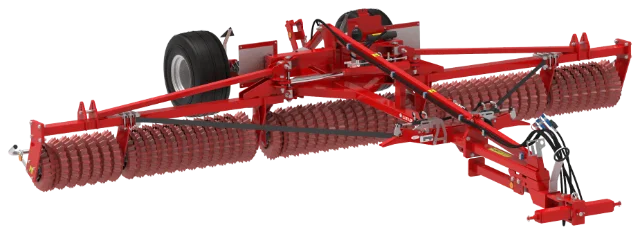
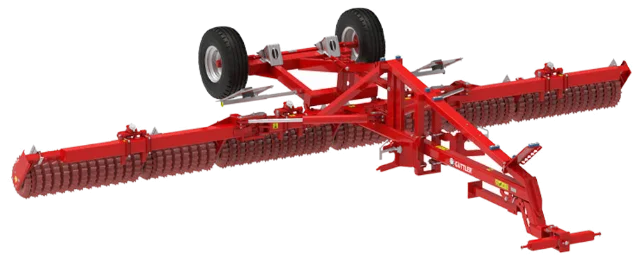
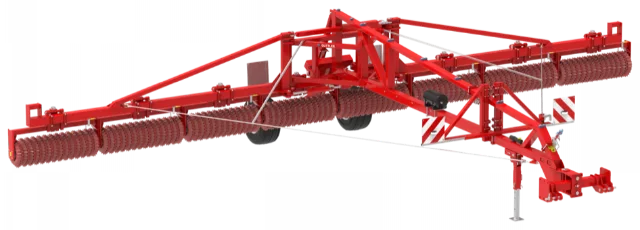
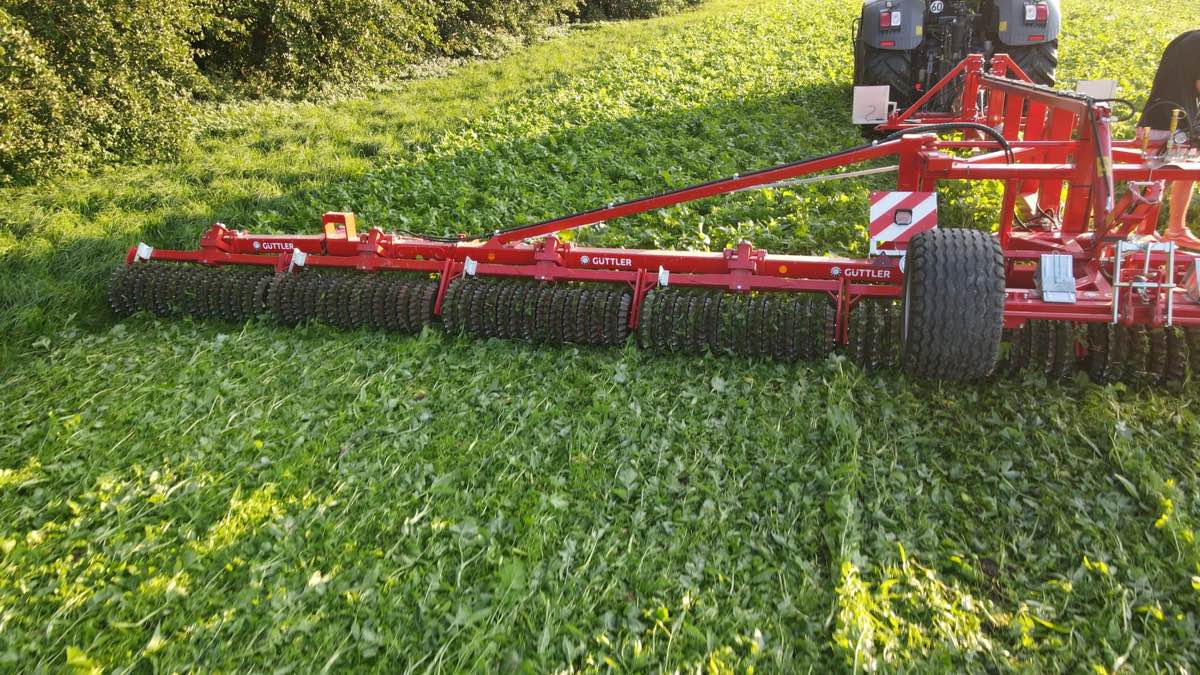
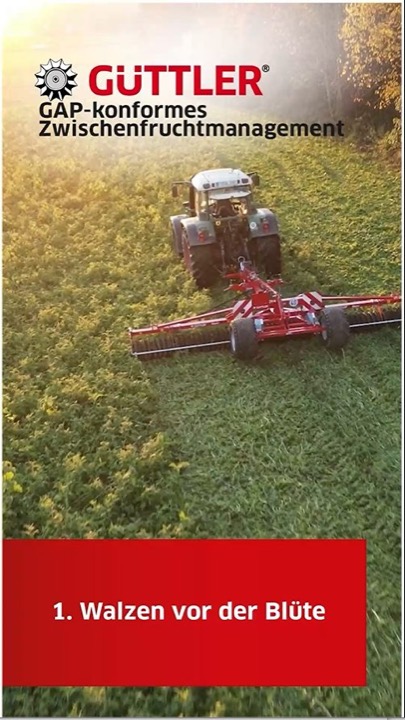
At flowering, the growth should then be rolled down with the prism roller so that no seeds are formed and the stems do not become woody. One pass is enough, and the plants should then be left lying for the time being. Plants such as clover or spring vetch can continue to grow because they get more light. As long as no seeds are formed, that is fine.
No soil cultivation
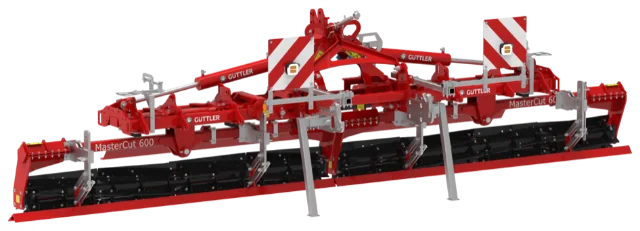
It is important that the roller does not work into the soil, because that would break the dormancy of the weed seeds and volunteer cereals in the soil and trigger germination. That is not an advantage during winter dormancy. This is why a dense catch crop stand is needed, and also why the knife roller is less suitable, because it cuts into the soil more easily.
Catch crop management – videoVideo · YouTube (opens in a new tab)

Rolled plants cover the soil
After rolling, the plants should simply be left lying on the ground to cover it. This protects against water evaporation and the soil drying out. The GÜTTLER prism roller pierces the stems and breaks them open. This helps them decompose better while still covering the soil. In this way, the plants feed the microorganisms in the soil, activate soil life more strongly and so increase soil fertility, including humus build-up. In the medium and long term, this in turn means that soils hold out longer in dry periods, because humus can store water and release it to the plants under drought stress.
If the catch crops are chopped too finely, they decompose too quickly and the nutrients are at risk of being leached out. They are then lost to the following crop. With fertiliser costs and nitrogen limits in mind, this should be avoided. By the way: the leaves of some catch crops release nitrogen as the organic matter breaks down, without it having to be included in the nutrient balance.
Rolling in frost
In frost or alternating frost, the next rolling pass makes sense. Frost makes the stems break open even better. So if you rolled the catch crop at flowering (see above), you now have the opportunity to break the already flattened plants into small pieces with the GÜTTLER roller. A little later, after the statutory dates and shortly before the planned sowing, the remains of the dead, broken-down catch crop can be incorporated very well.
Another advantage of rolling in frost with the GÜTTLER® Prismenwalze® (prism roller) is the “glyphosate effect”. Thanks to the 305 prism points per square metre, weeds and volunteer cereals that have grown through are injured when rolled in frost and die off. The effect is similar to that of the total herbicide, which can be saved by using the Prismenwalze®. Given increasingly strict regulations, general bans on plant protection products and ambitious targets for reducing their use, this is a major advantage.
Videos on catch crop management
 Video
 Video
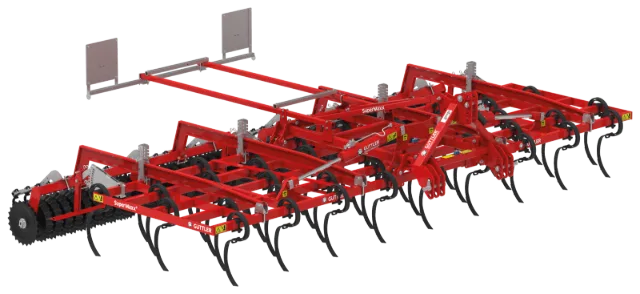
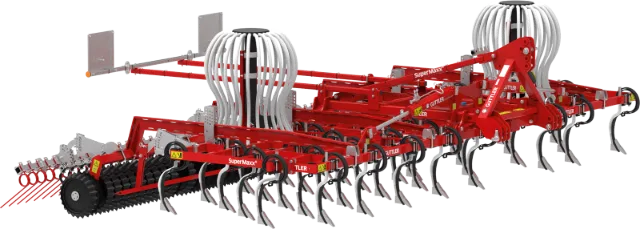
Catch crop management: Super Maxx® – sowing catch crops
Watch short video
 Video
Catch crop management: Magnum 1560 – rolling down catch crops
Watch short video
 Video
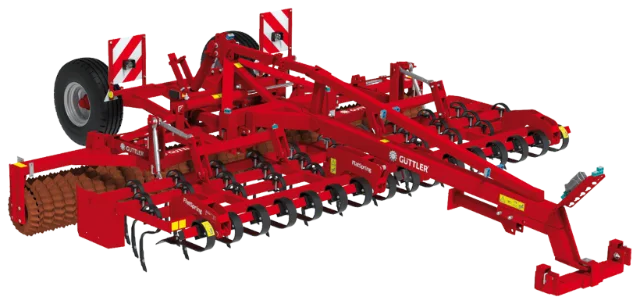
Catch crop management: MAYOR 640 – rolling down catch crops in frost
Watch short video
 Video
MAYOR and Super Maxx®: CAP-compliant catch crop management
Watch short video

Practical tip from GÜTTLER · last updated 28 Feb 2024


