
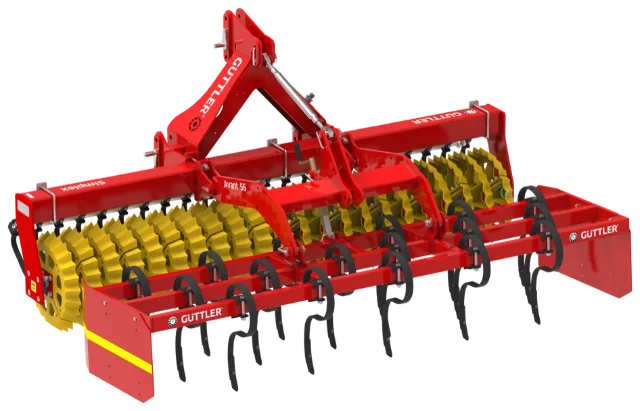
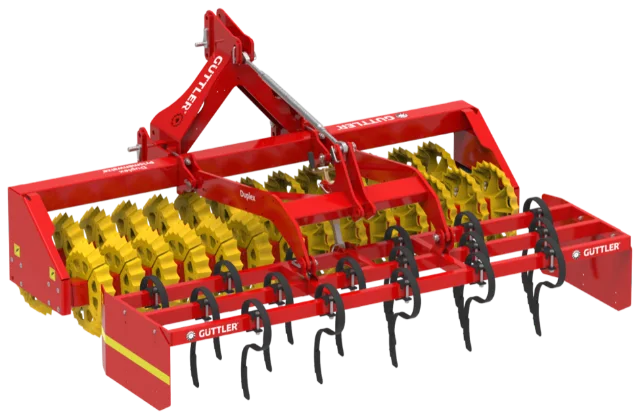

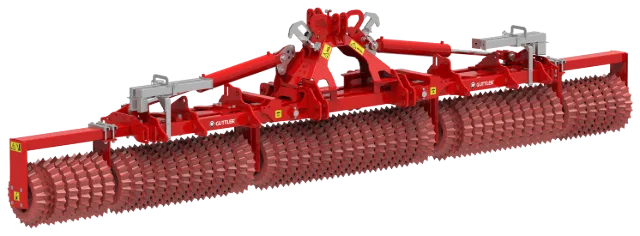
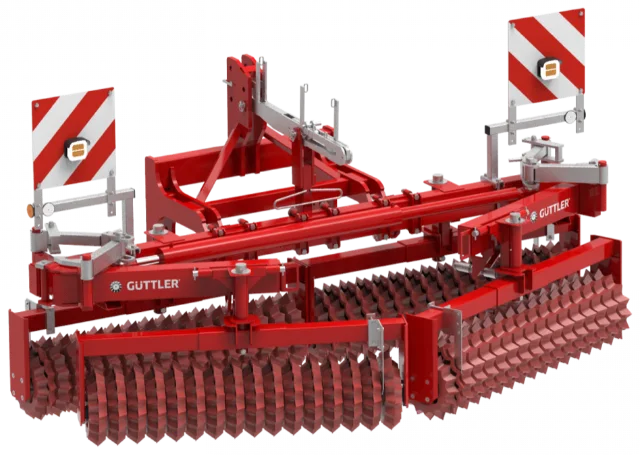
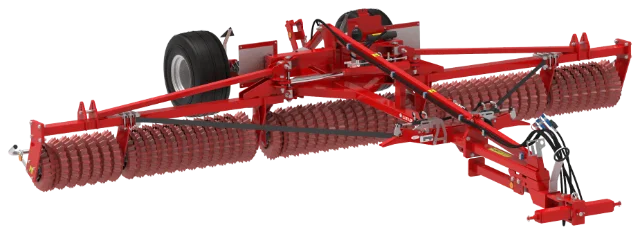
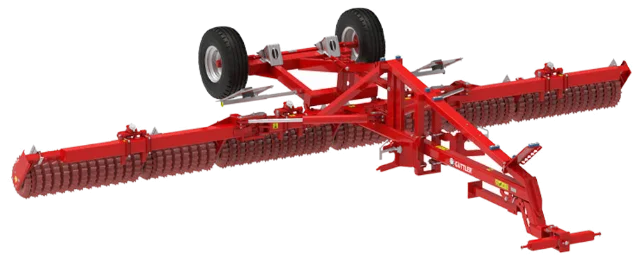
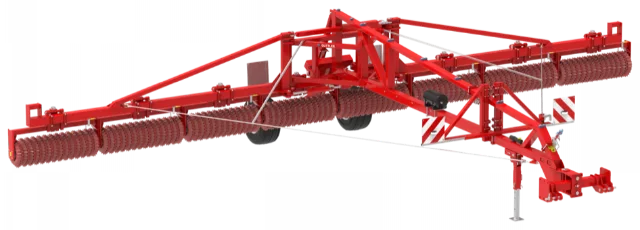
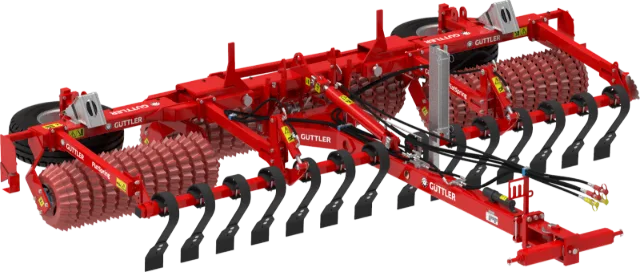

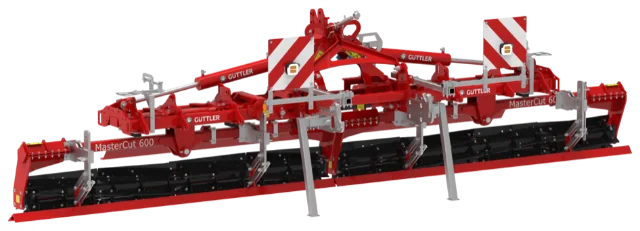

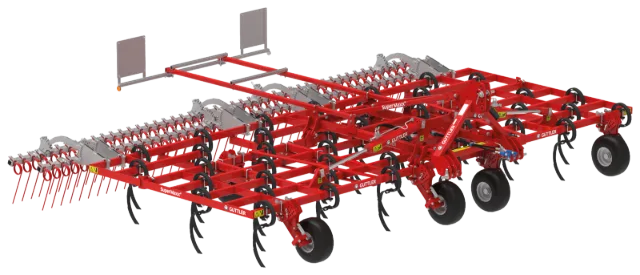
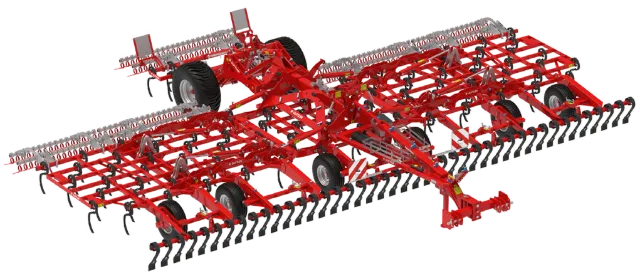
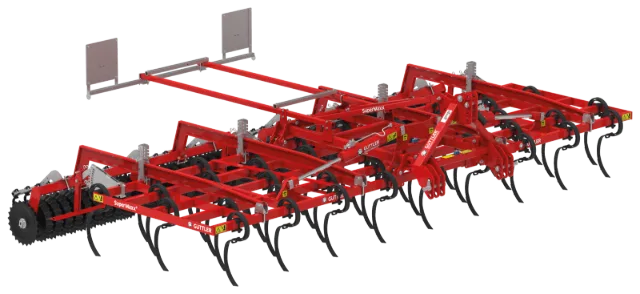
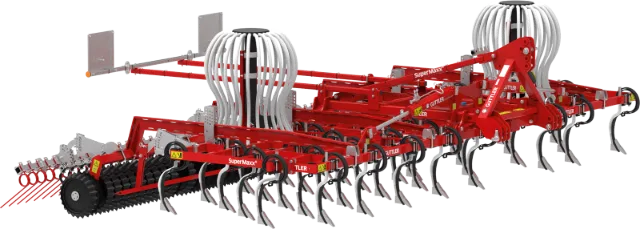
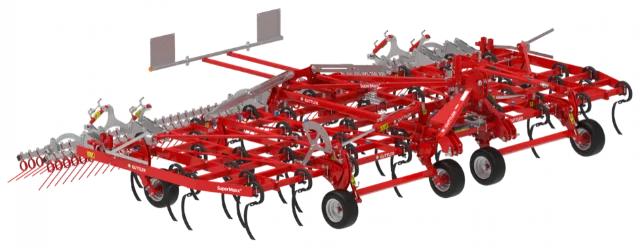

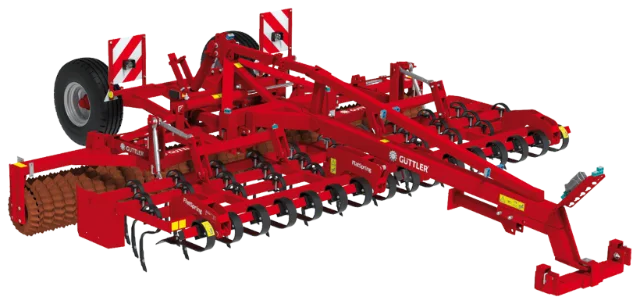
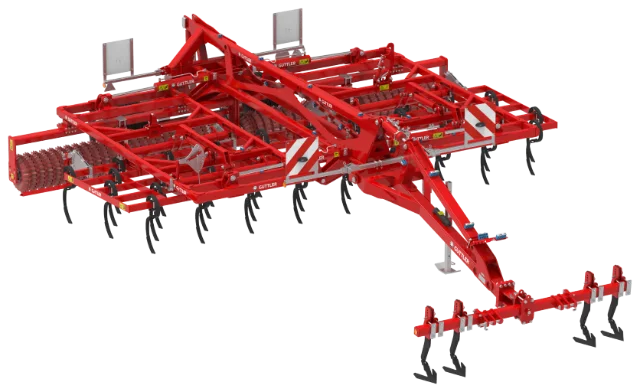
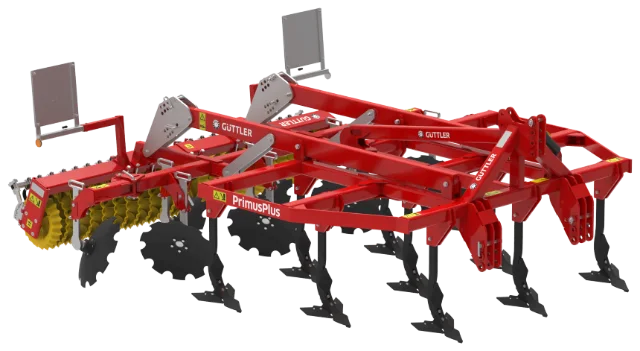
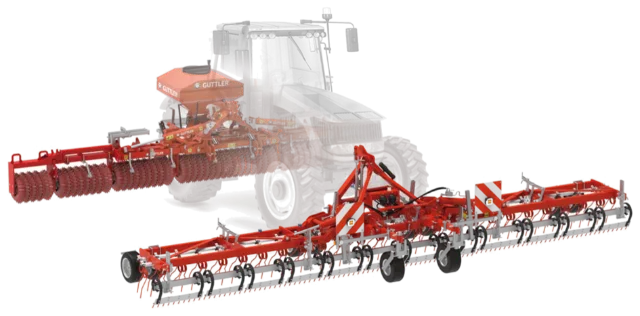
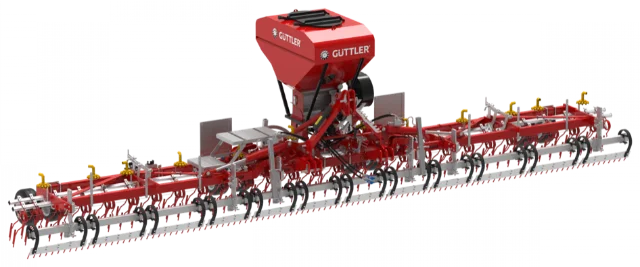
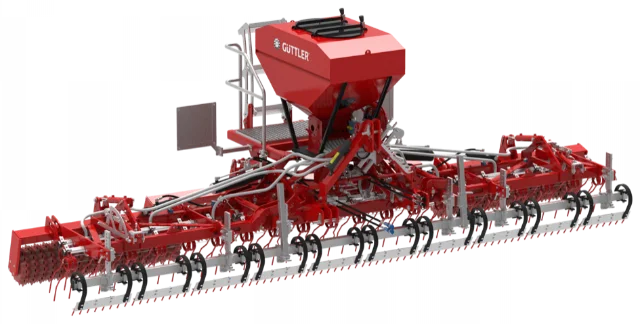
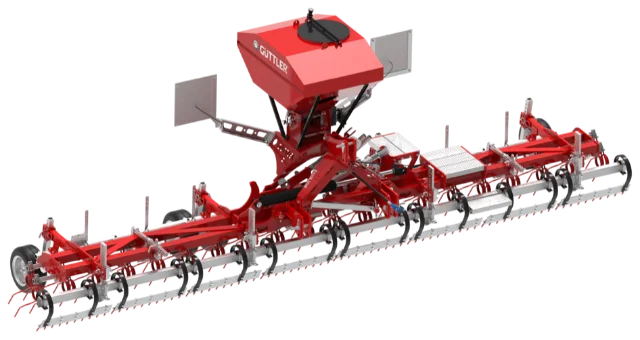



As arable specialists, we never dreamed that one day we would set milestones in grassland too. In the early 2000s we actually “only” wanted to test a trailed roller and, because no arable land was free, went onto grassland. That’s when I noticed the “hoofprints” left by our roller. Our curiosity was aroused. After an intensive and instructive initial phase, we presented the first GreenMaster as early as 2005.
Today we offer a complete system covering every area of professional grassland maintenance, from reseeding and maintenance to the renovation of grassland. Our equipment is high-output and quickly pays for itself: it helps you get much more out of your grassland.
“We are your grassland specialist – with many years of experience and plenty of know-how!”


Grassland maintenance – what matters?
Intelligent machine combinations do in a single pass what would normally take five separate operations:
Levelling the ground, aerating the sward, removing old thatch, overseeding to close gaps and restoring soil contact.
The result pays off – with little work and high milk yields from forage.
High milk yields from forage – that’s what it all depends on
More than just a meadow – grassland is the basis of the feed supply on dairy and livestock farms. Effective grassland management is therefore worth hard cash, because high milk yields from forage reduce the cost of other feeds, and high-quality green forage improves health and milk yield.
The best guarantee of productive grassland is to keep at it consistently. Fertilising, maintenance and weed control are the three pillars of grassland management and fixed points in every annual plan. As for the equipment: the more operations can be combined in a single pass, the more economical it is.


Step one: assess the sward
Right at the start of spring – and again at intervals throughout the growing season. Check the botanical composition of the grassland (60–80% grasses and 20–40% legumes and herbs is ideal).
Does the sward differ significantly from this? Are there perhaps weeds or poisonous plants? Or gaps in the sward?
Then it’s time to act.
Aerate regularly – renovate matted swards
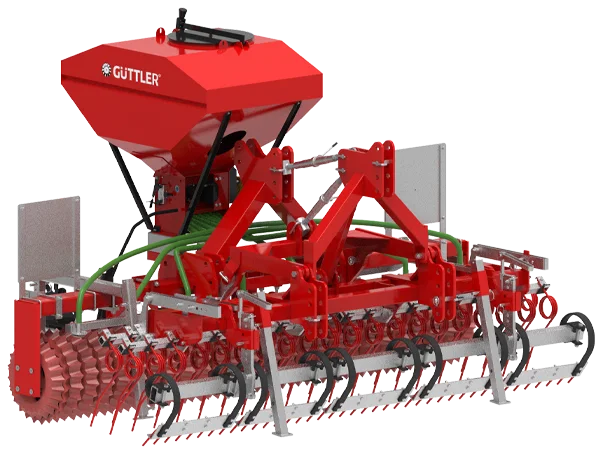
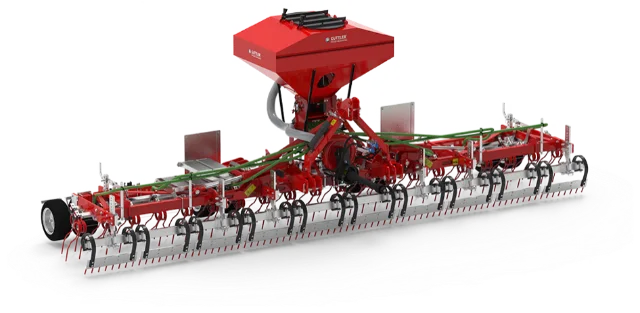
Grassland should be aerated regularly – not only in spring but throughout the growing season – because valuable overseeded plants need light and air to establish. Dead grasses, moss and rough meadow-grass (Poa trivialis) therefore have to be removed. Intensive scarifying requires robust, sufficiently aggressive harrow tines with a diameter of 12 mm. If the tines cannot get a proper grip because they are too soft, no number of tines will help. If aggressive scarifying is not needed and you only want to level, the GreenMaster’s harrow tines can be centrally adjusted to “gentle stroking” in no time – on a 6-metre machine, for example, just 4 adjustments are enough. The Ripperboard can also be adjusted in both height and angle.


Overseeding and rolling
Gaps, as well as the aerated sward, should be overseeded immediately. The natural seed potential is not enough for this.
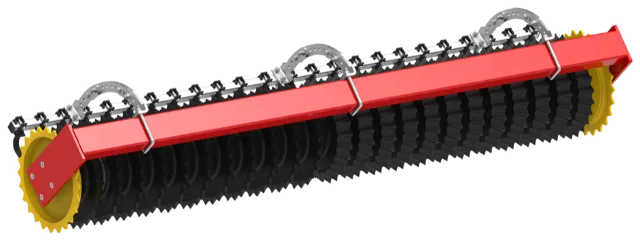
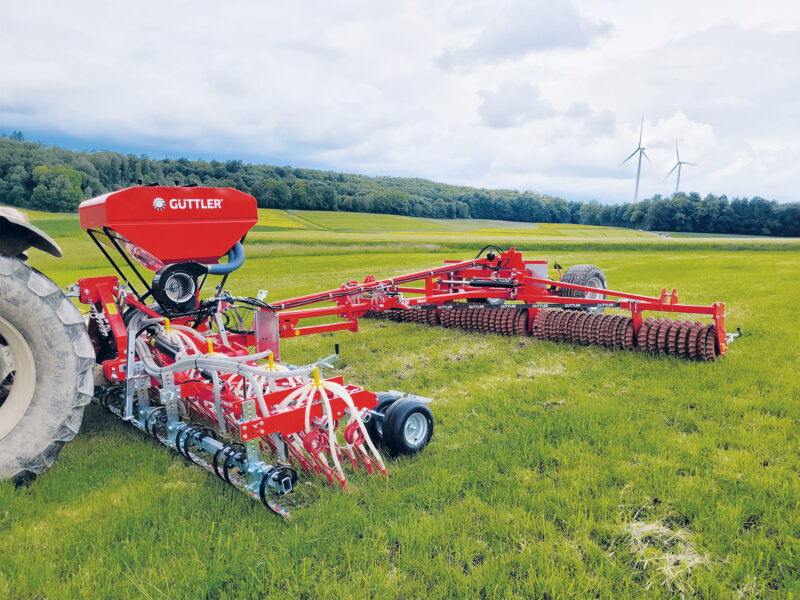
These operations can be done in a single pass: open the soil with the harrow, spread the seed evenly with the pneumatic seeder and use the roller with the golden hoofprint® to “tread” it firmly into the seed zone.
By the way: autumn in particular is an ideal time for sowing.
- The soils are warm. Rainfall becomes more frequent again – even if it is only morning mist.
- The existing sward no longer grows as vigorously, so the overseeded plants can establish better.
Did you know that young, established ryegrass is more winter-hardy than old ryegrass?
Harrowing out rough meadow-grass
The problem of rough meadow-grass is often recognised too late. At first glance, the meadows are green with a dense sward. On closer inspection, however, you often find that this aggressive invader is spreading very quickly, and within a short time the fields drop sharply in both yield and forage quality and become increasingly worthless.

So it is important to keep this musty-tasting bottom grass in check regularly.
First aid: harrow it out and remove it consistently – ideally after the second or third cut at the end of August.
This poses no risk to valuable grasses. They are more deeply rooted.


Fertilise well
Farmyard manure and slurry are complete fertilisers – they supply important trace elements for grassland.
The key is to apply these farm manures in a way that does not damage the sward, while keeping the environmental impact low.
Favourable weather plays a role here, as does the even distribution and incorporation of manure and slurry and harrowing off crusts in good time.
Caution: overseeded areas should not be fertilised straight away, otherwise there is a risk that the existing sward will outgrow the young overseeded plants.
Practical tip from GÜTTLER · last updated 26 Jan 2024


