






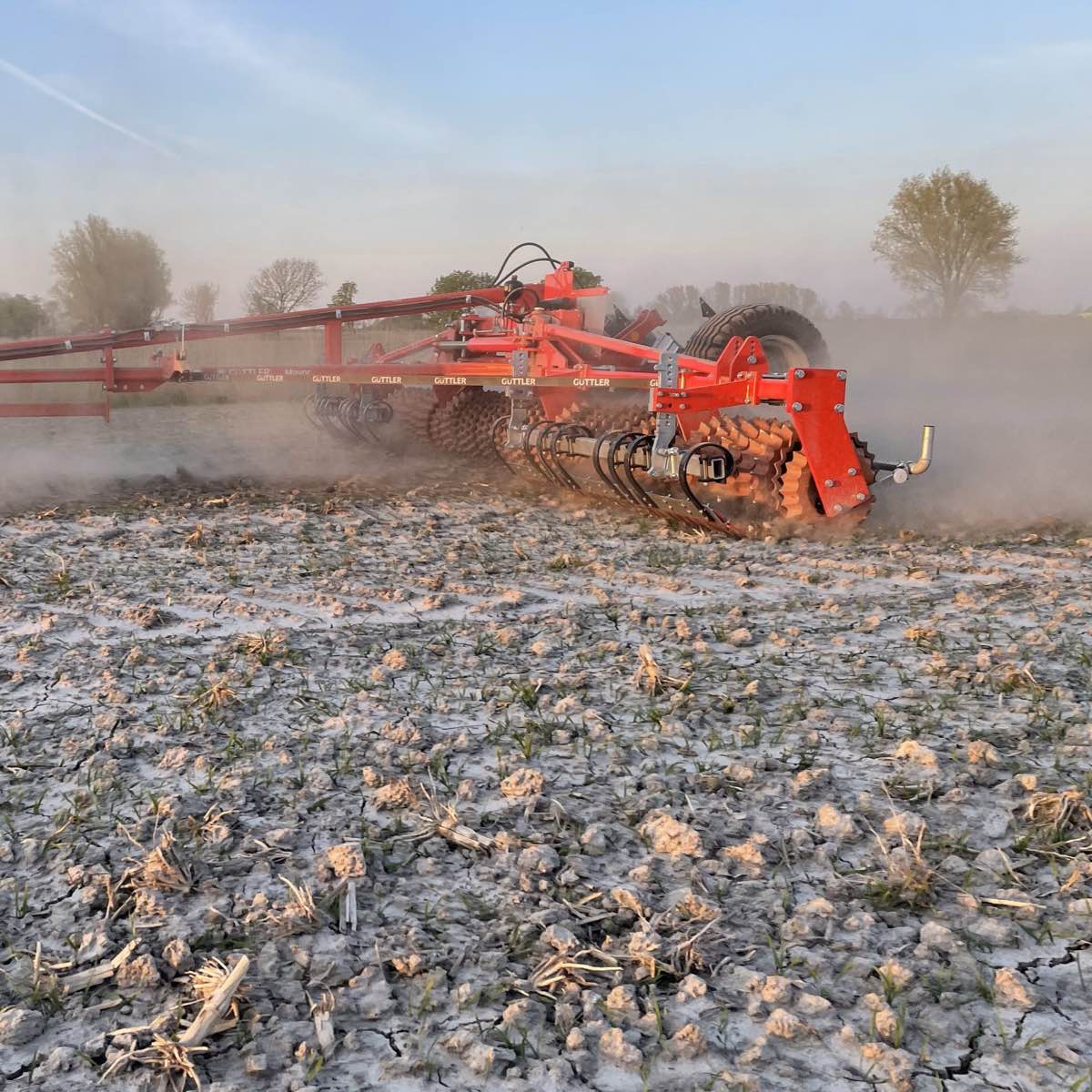
Crusted soil surfaces after winter – why is this a problem?
If there is heavy rainfall over the winter, winter cereals become severely capped, especially on soils with a high silt (loam) content. The soil surface is practically sealed and sometimes as hard as concrete. Gas exchange is no longer possible and the plant roots lack the oxygen and water they need – they dry out even though there is otherwise enough moisture. As a result, the plants die or growth starts late, and yield losses threaten. In addition, because of the reduced air and gas exchange, the moist soil warms up very slowly. The crusted surface reduces water infiltration, and further rainfall leads to erosion and thus to the loss of valuable topsoil. Furthermore, applied fertiliser has difficulty reaching the plant roots through the crust.
To give the plants a good start in spring and secure the yield potential of your crops, the crust must be broken up. For this, the soil surface should have dried off, and there should be no frost over the following 3 days to put the plants under additional stress.
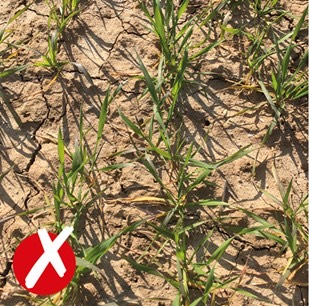
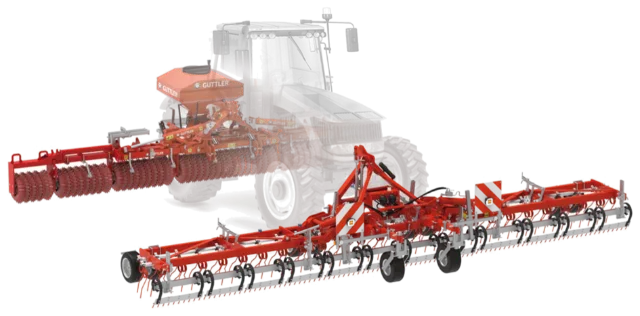
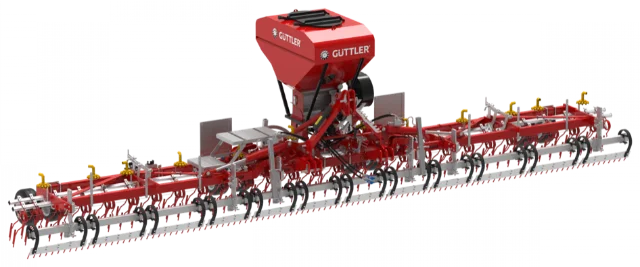
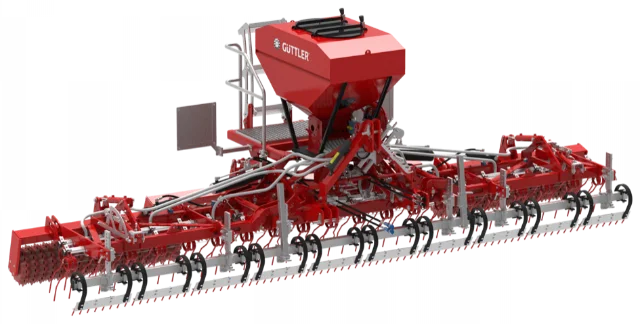
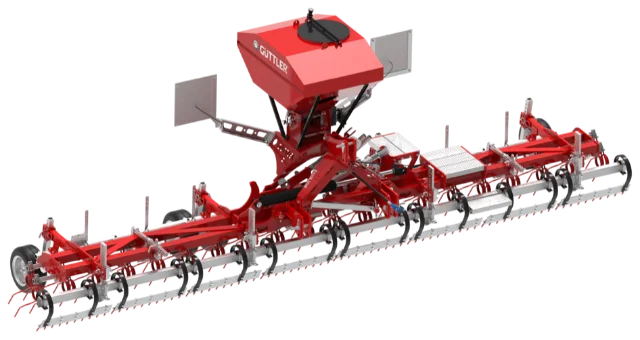
Breaking crusts with the GreenMaster
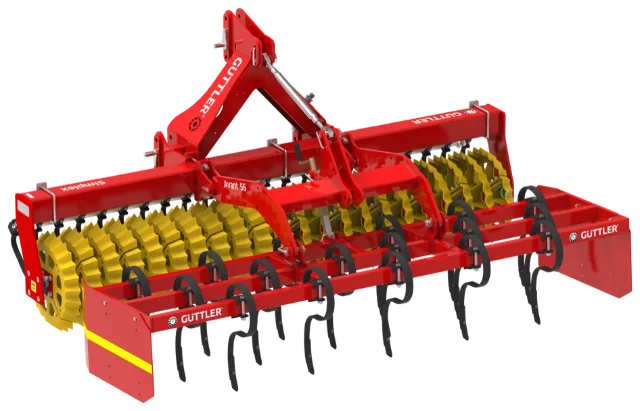
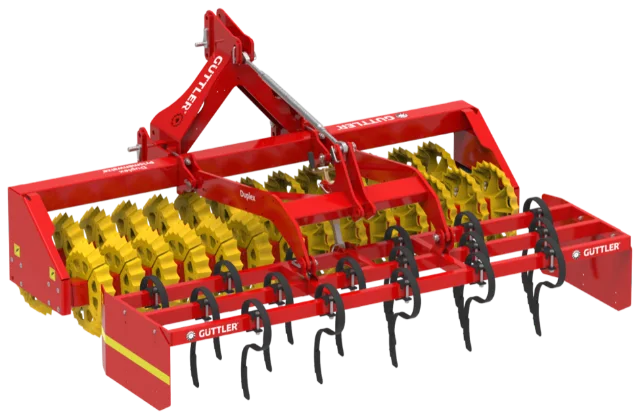
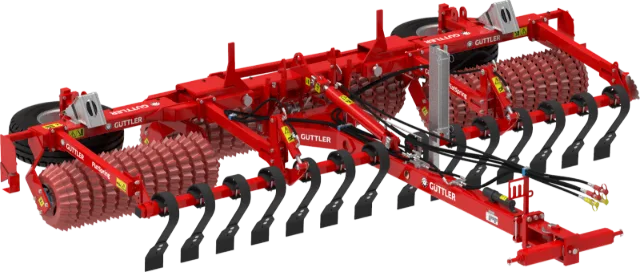
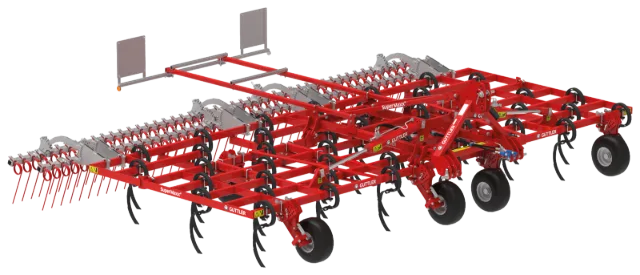
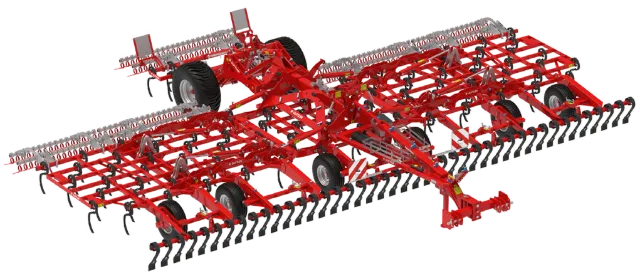
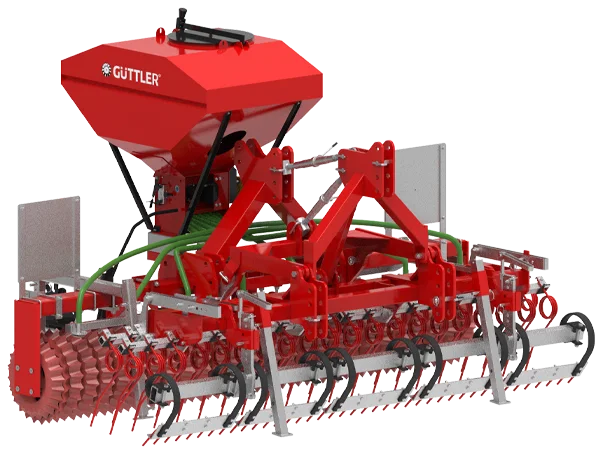
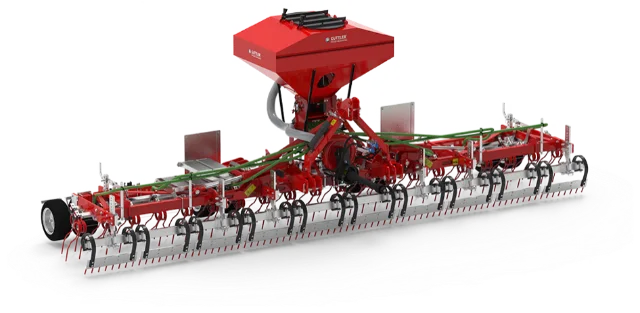
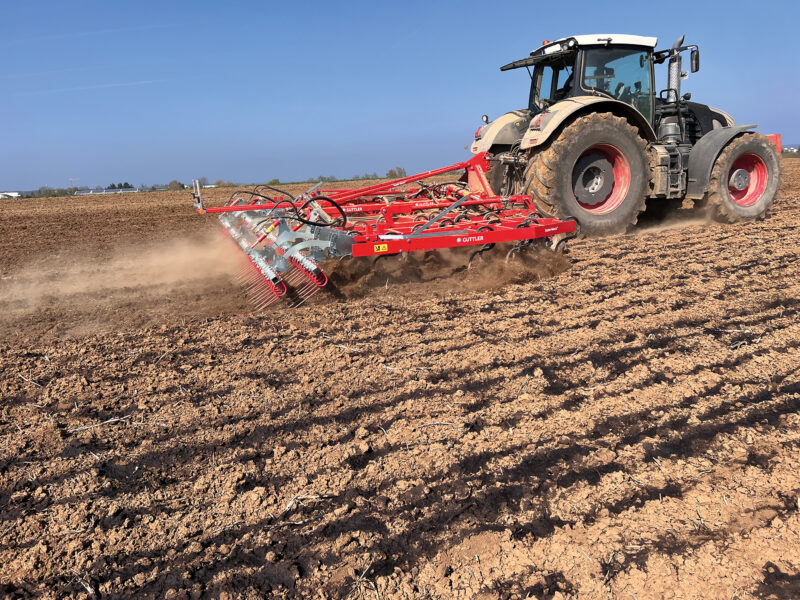
The proven GÜTTLER® GreenMaster – with the Ripperboard QUATTRO at the front, followed by two rows of 12 mm spring tines with 46 cm of spring travel – breaks up the crust without damaging the plants. Its aggressiveness can be finely controlled by adjusting the tine angle and the gauge wheels, from “gentle grooming” to “aggressive and biting”. The Ripperboard is set gently. The harrow frees the plants without damaging the roots, so that they can breathe and photosynthesise again. In dry conditions, the Prismenwalze® (prism roller) follows behind. It also breaks up the crusts and creates an optimum structure at the soil surface. If conditions are too wet, the rolling pass must be done later.


Breaking crusts with the Prismenwalze®
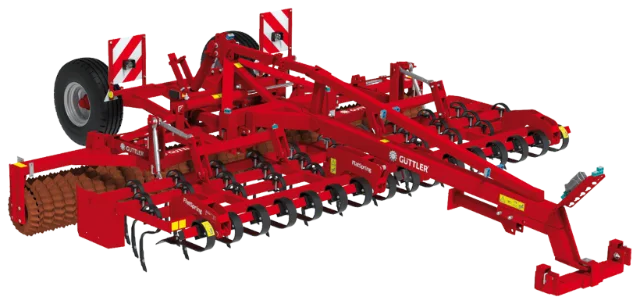
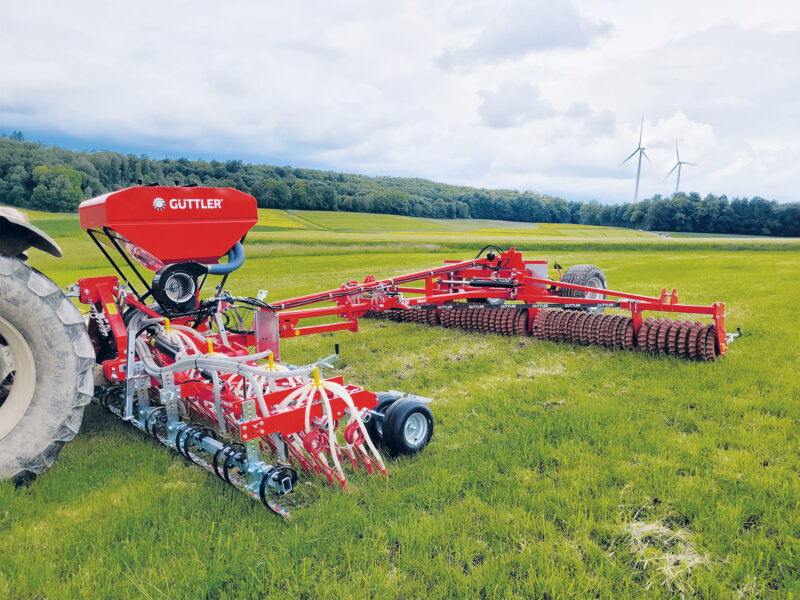
The roller with the golden hoofprint not only creates an ideal seedbed but can also rescue your capped crops. The 305 prism points per square metre bring the pressure “to a point” and can break through thin crusts. At the same time, slight injuries to leaves and nodes are a great stimulus to tillering. Don’t worry about yield losses. In our grandfathers’ day, it was common practice to harrow winter cereals hard in spring to stimulate tillering.

Additional tools increase the effect
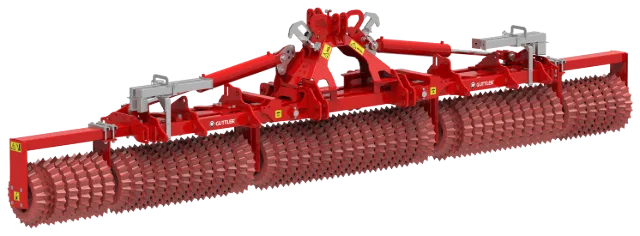
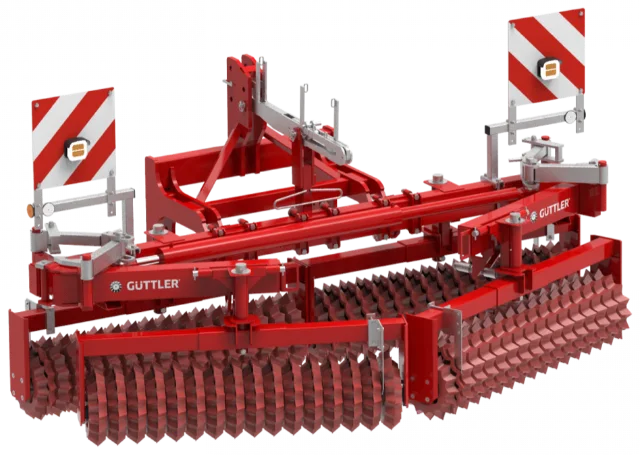
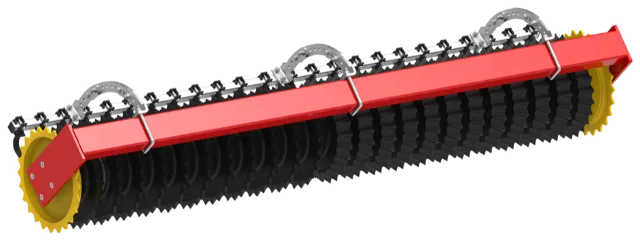
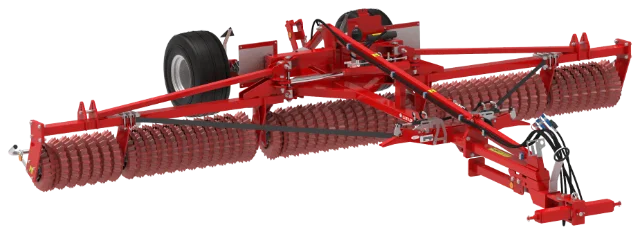
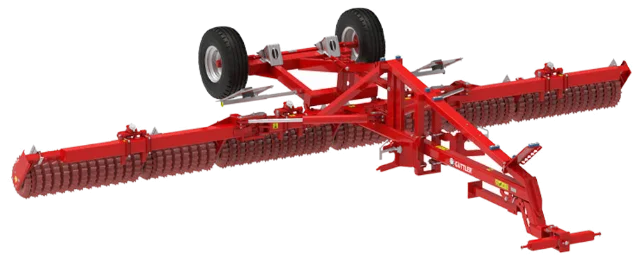
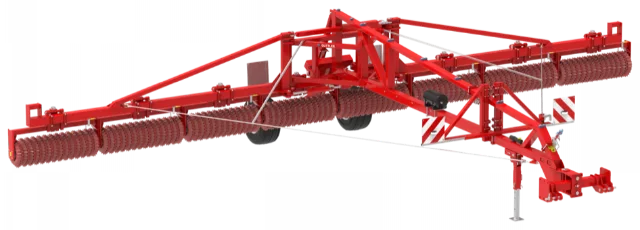
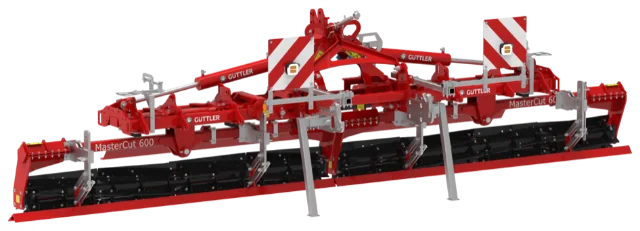
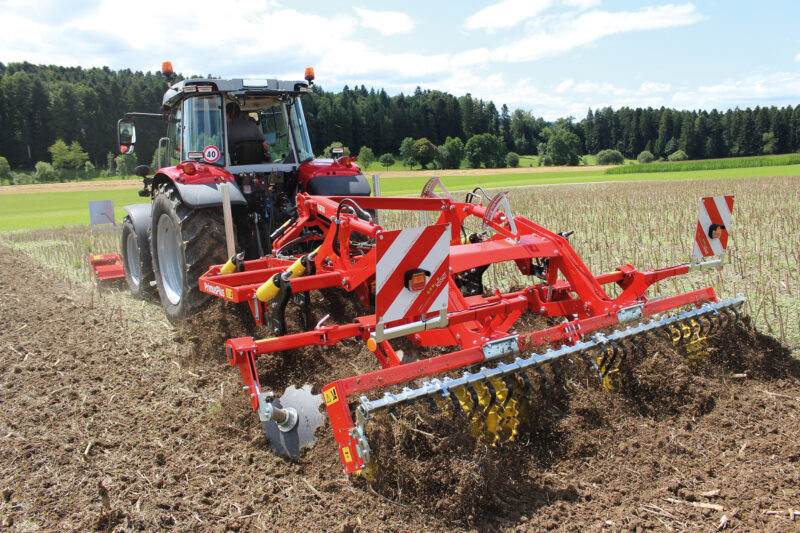
To penetrate stubborn crusts, the effect of the Prismenwalze® can be enhanced with front implements. For the MAYOR series, the Ripperboard Quattro is available. It can be finely adjusted and penetrates the crust well. For the large rollers of the Master and Magnum series, various front implement combinations of Ripperboard, levelling bar and 2- or 3-row harrow are available. Besides the familiar tasks of seedbed preparation and straw distribution, these harrow units can also break through a heavily developed crust. The result is similar to that of the GreenMaster (see above). When rolling crops in particular, tight turning without friction damage is a unique advantage of all GÜTTLER® trailed rollers. All the roller axles are arranged in line, so the roller can turn on the spot – without friction damage and without harming valuable crops.
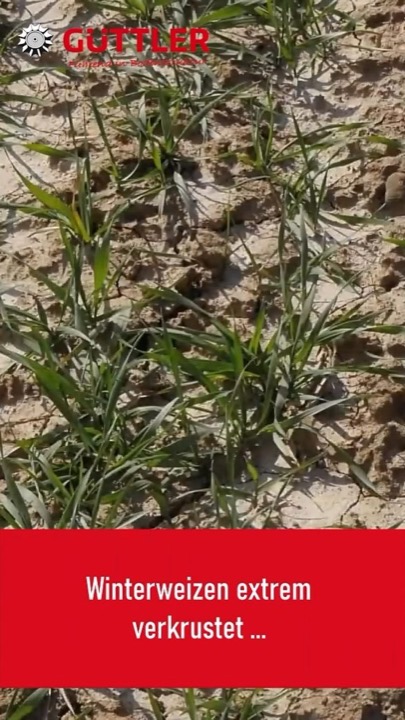
The severely capped wheat is freed by the Ripperboard and the MAYOR Prismenwalze®.
Breaking crusts after spring sowing
Heavy rainfall events are also common in spring. Very finely worked, silty soils in particular tend to crust after heavy rain. The seedlings of beet, maize and other spring crops die under the crust or only break through it with great difficulty. The result is poor field emergence, or even total crop failure. In such situations, too, the roller with the golden hoofprint can help. Driving slowly at approx. 6 km/h breaks the crust without harming the seedlings. With the GÜTTLER® Prismenwalze®, you can rescue your capped spring-sown crops, save the extra cost of resowing and avoid potential yield losses.

For more information, see the GÜTTLER® brochure “A successful start to spring” or ask your GÜTTLER® dealer.
Watch short video

Practical tip from GÜTTLER · last updated 20 Feb 2024


