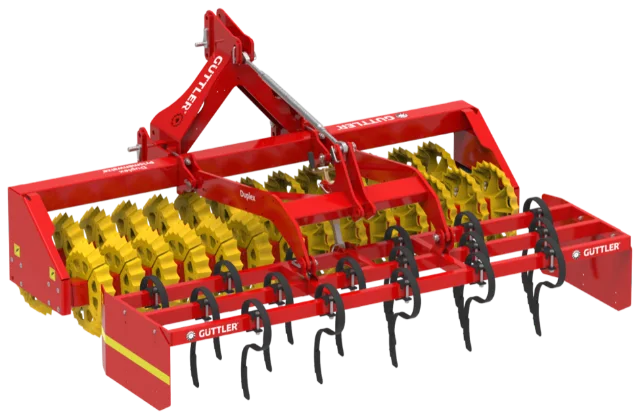

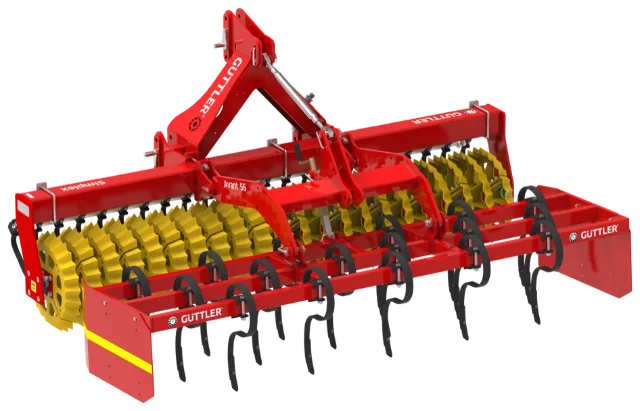
01 · Front presses
AVANT
SIMPLEX Ø 45 or 56 cm, special cast iron; 56 also Synthetic Ultra (SU)
- 2.50–7.20 m

01 · 2 models · 2.50–7.20 mReconsolidating before sowing – actively working instead of dead front ballast
02 · 3 models · 0.98–8.70 mRolling all year round – on arable land and grassland
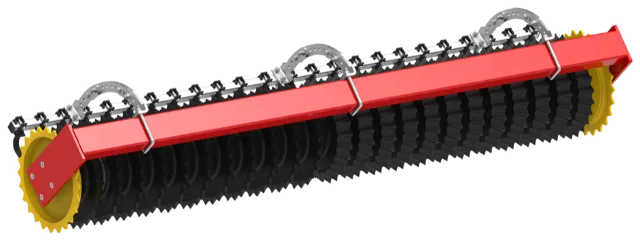
SIMPLEX PRISMENWALZE®
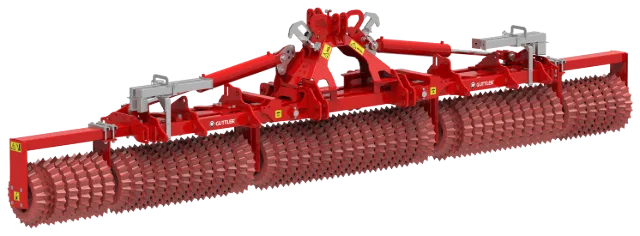
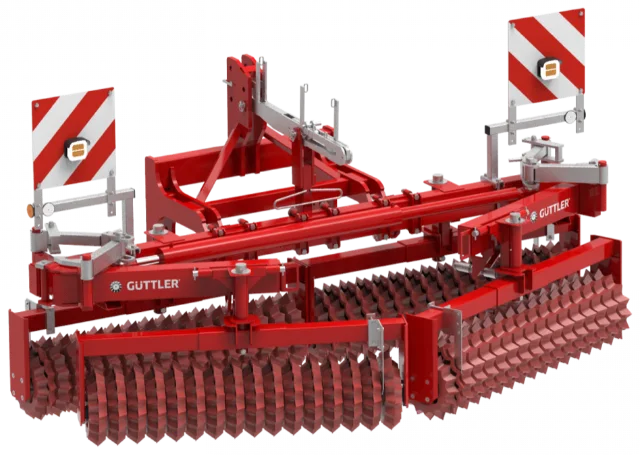
03 · 4 models · 4.80–15.60 mLarge areas, excellent ground contouring
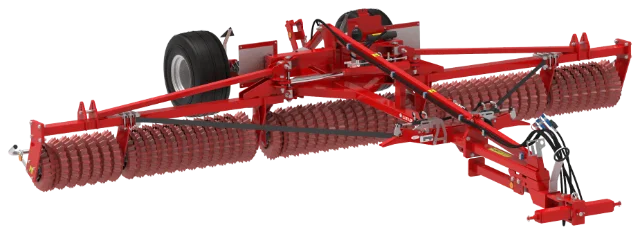
MAYOR 640 / 770 / 820
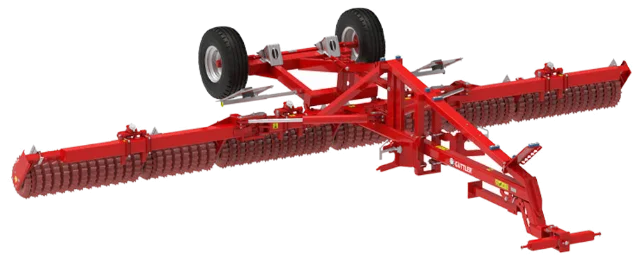
Master 640 / 770 / 820
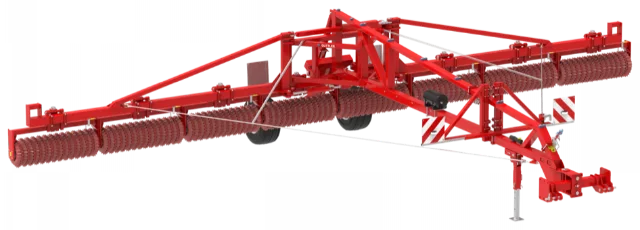
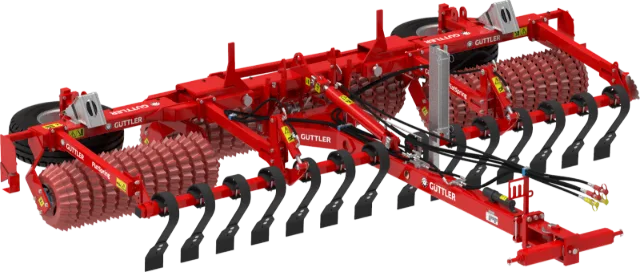
OffSet® 480 / 640
03 / 07 · Family
4.80–15.60m
Working width
Trailed rollers
Large areas, excellent ground contouring.
4 models
 In action
All trailed rollersDrone shot: rolling cereals with the MAYOR
04 · 1 model · 2.80–5.75 mChopping catch crops and stubble
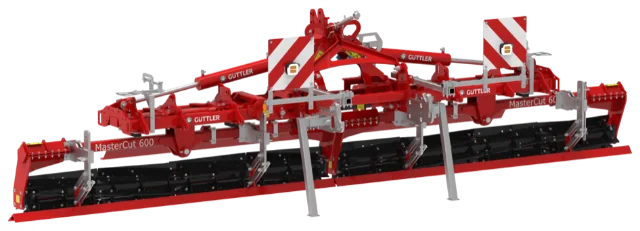
MASTERCUT 300 / 600
04 / 07 · Family
2.80–5.75m
Working width
Knife roller
Chopping catch crops and stubble.
1 model
 In action
All knife rollersChopped plant residues after a pass with the MASTERCUT
05 · 5 models · 2.85–12.00 mShallow, water-saving, high-output
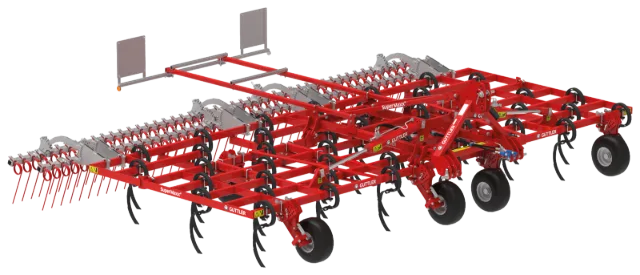
Super Maxx® 30–90 BIO
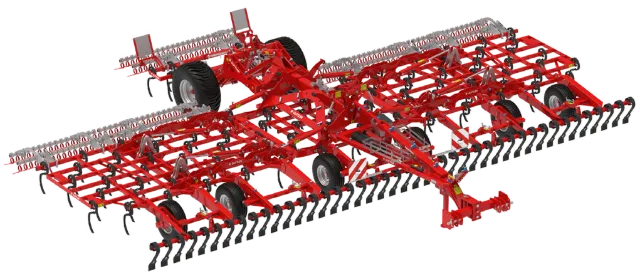
Super Maxx® 1000 / 1200 – 7 BIO
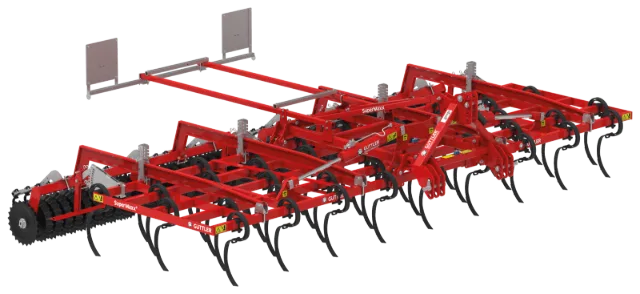
Super Maxx® CULTI
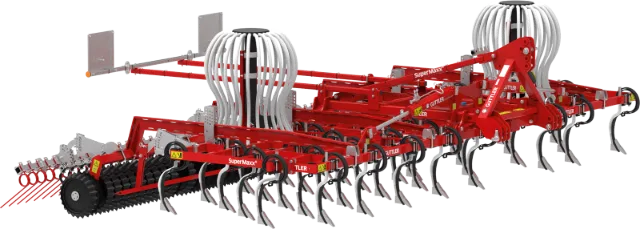
Super Maxx® CultiSem
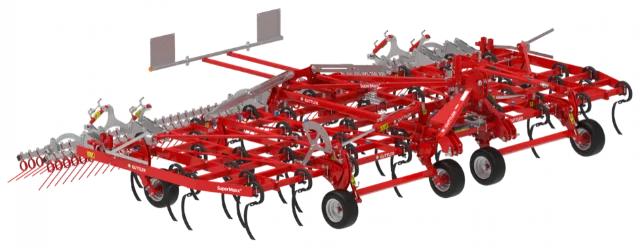
Super Maxx® Heavy Duty
 In action
All Super Maxx® modelsSuper Maxx® 1200-7 BIO in action
06 · 3 models · 3.00–6.00 mSeveral operations in a single pass
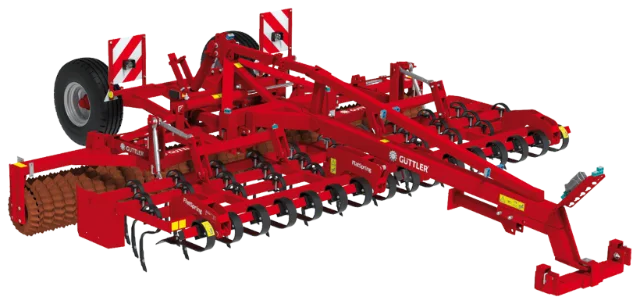
FELDMEISTER® LK 30 / 40 / 45
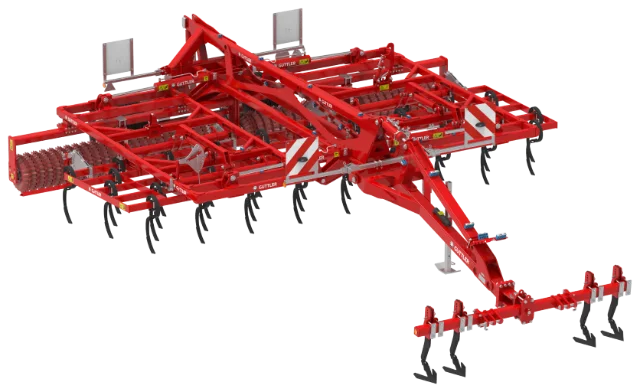
FELDMEISTER® LK 60
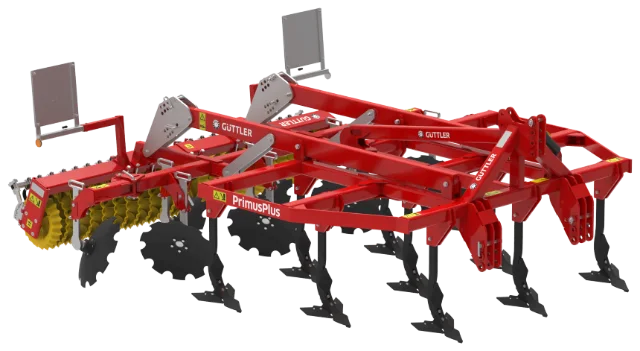
07 · 6 models · 2.50–8.00 mOverseeding and maintenance for more forage
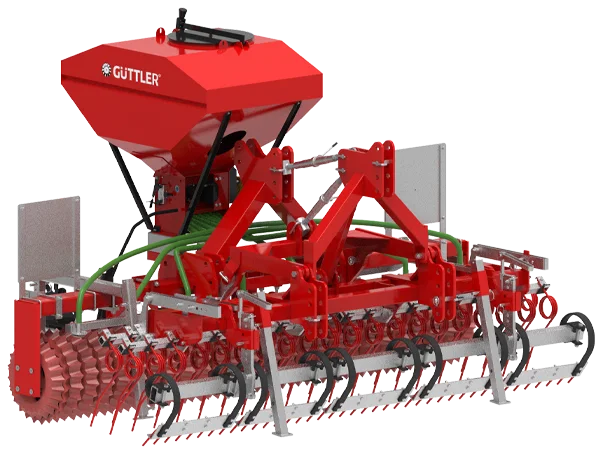
GreenMaster 250 / 300
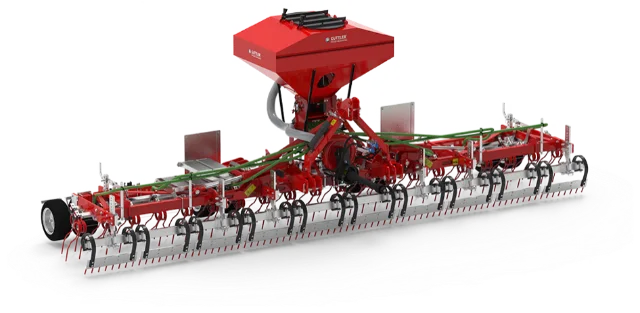
GreenMaster 600 / 750 / 800
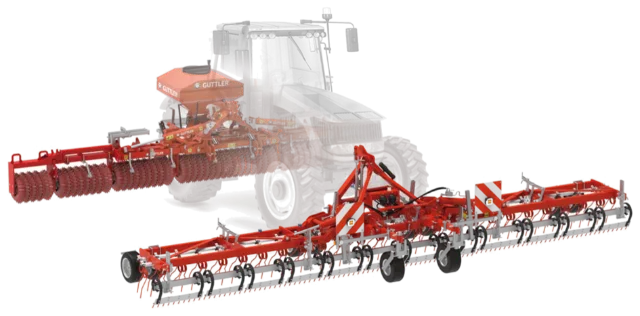
GreenMaster 600 / 750 Alpin
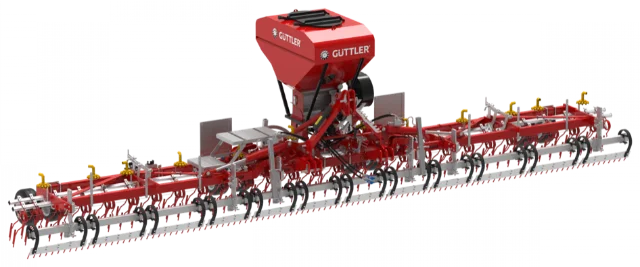
GreenMaster TINE SEED
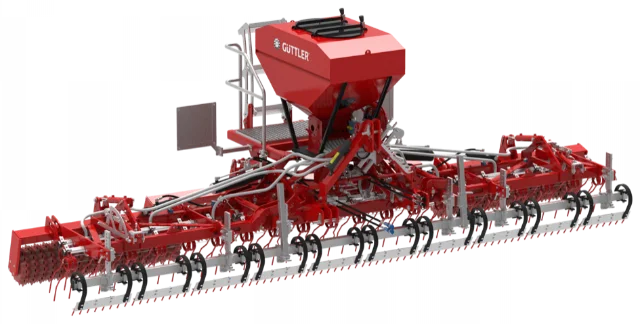
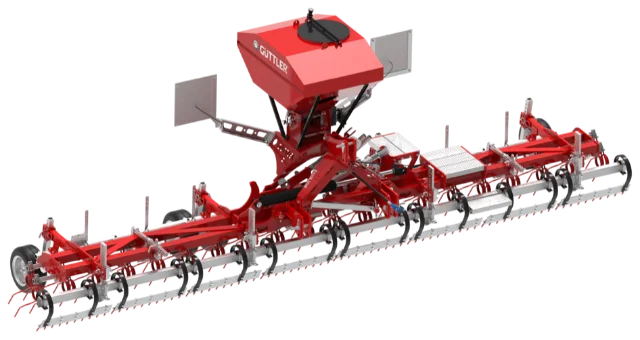
01 · 9 of 19 articles · by seasonExpert articles from the field – by crop, season and machine.


Grassland maintenance – what matters?
Grassland · GreenMaster

Optimum reconsolidation for sugar beet drilling
Sugar beet · MEDIANA


02 · 6 posts · field reports and videosFarmers and contractors report.

First-class stubble cultivation. Good value for money.
Super Maxx® · 5 mEiken (CH)

More efficient grassland renewal.
GreenMaster · since 2014Diepholz


Today we produce 5,050 kg of milk from forage.
Harrow · Overseeding · RollerBiberach

Field and test reports: testimonials
Super Maxx® · GreenMaster and others5 videos
03 · 3 events · shows, field days, webinarsAdvice and demonstrations – on site or online.
Book an appointment: advice, demonstration, roadshow
free of charge · no obligationForm

GÜTTLER grassland and field days
Grassland days · Field daysRegistration
Webinar: catch crop and grassland management
RecordingVideo
01 · 2 topics · catalogues in the dealer portalOrder through your GÜTTLER dealer.
Service hotline
Call the service hotline: +49 7021 9857-13Service & spare parts
If you have any questions, please contact our service team.
Handover declaration / warranty certificate
Online formDealer + customer
02 · 5 downloads · 89 documentsBrochures, flyers and operating manuals as PDFs.
Service hotline
Call the service hotline: +49 7021 9857-13Service & spare parts
If you have any questions, please contact our service team.
AVANT and DUPLEX® front press brochure
16 pages · 9.3 MB11/2025
03 · 2 contacts · Germany, Europe, worldwideSales team, dealers and free courses.
Service hotline
Call the service hotline: +49 7021 9857-13Service & spare parts
If you have any questions, please contact our service team.

01 · 3 topics · Kirchheim unter TeckPioneers of reconsolidation.
01 · History
1978
The Original
The roller with the golden hoofprint®
The first patented GÜTTLER roller – where the Prismenwalze® began.

The Prismenwalze® – The Original
1978 | Ø 32/35 cmfirst roller

Our quality standard: what makes us tick.
robust · durableSustainability
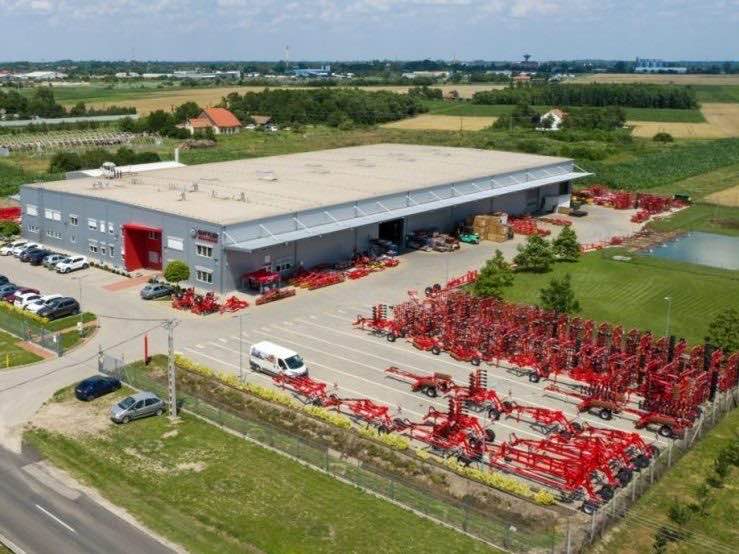
02 · 3 locations · Germany and HungaryDevelopment, training and manufacturing.

03 · 5 posts · press releases, news, careersThe latest press releases, careers and newsletter.
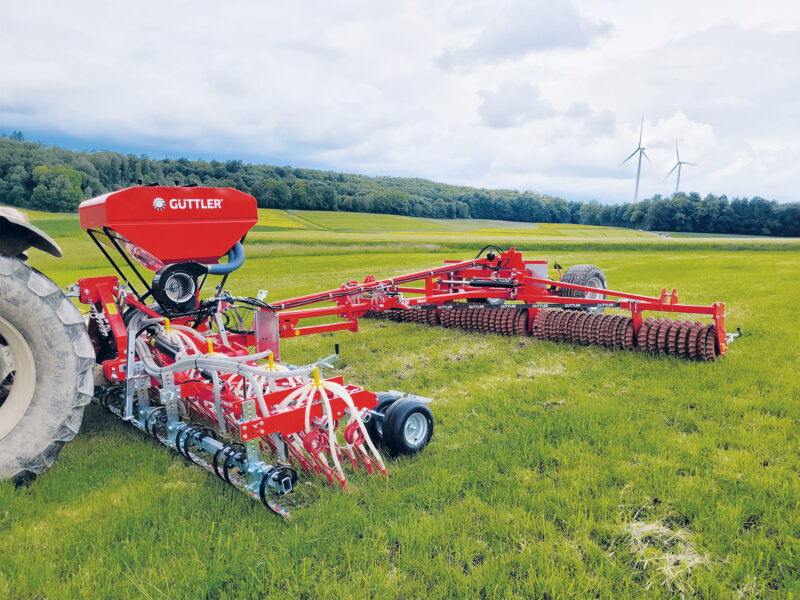
EuroTier premiere: Güttler® puts grassland maintenance in the spotlight
Press release
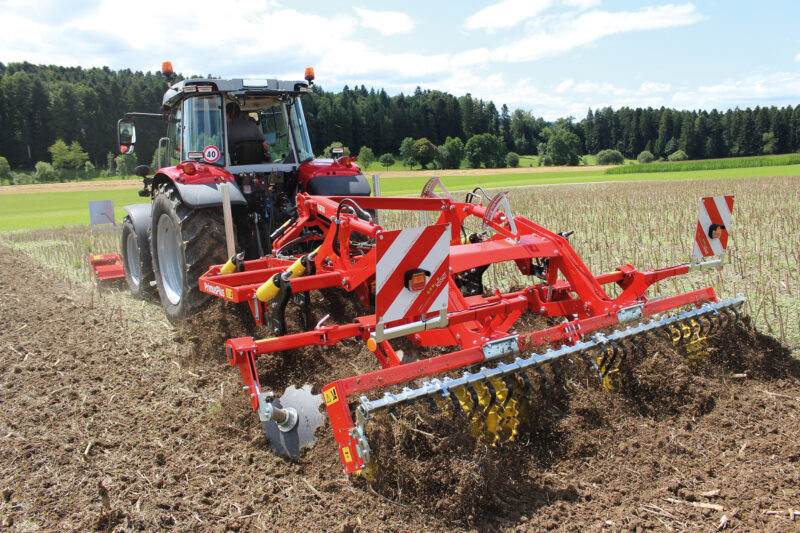
Non-inversion tillage in practice: Güttler® shows the PrimusPlus heavy cultivator at the DLG-Feldtage
Press release
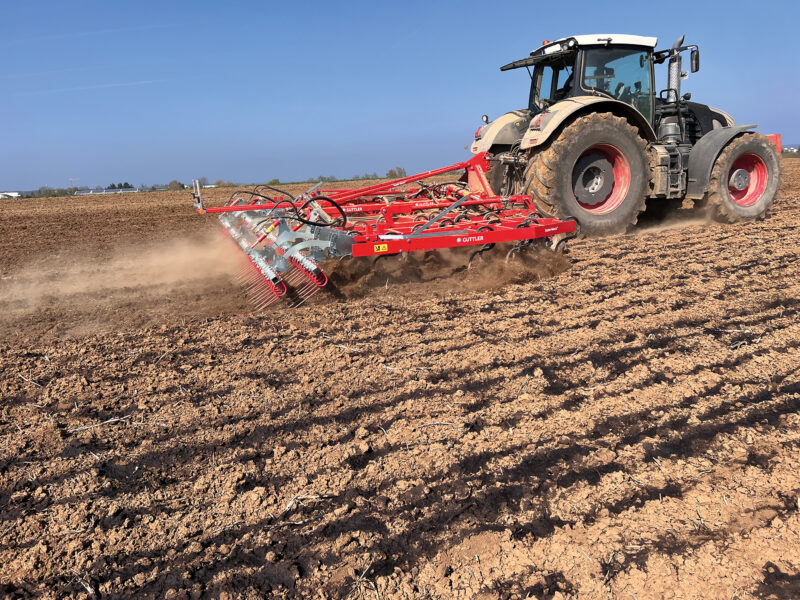
Super Maxx HD – Güttler GmbH presents a robust spring-tine cultivator
Press release
The Original from GÜTTLER
The self-cleaning GÜTTLER roller for a seedbed that is firm below and loose and crumbly on top – from front presses to grassland equipment.
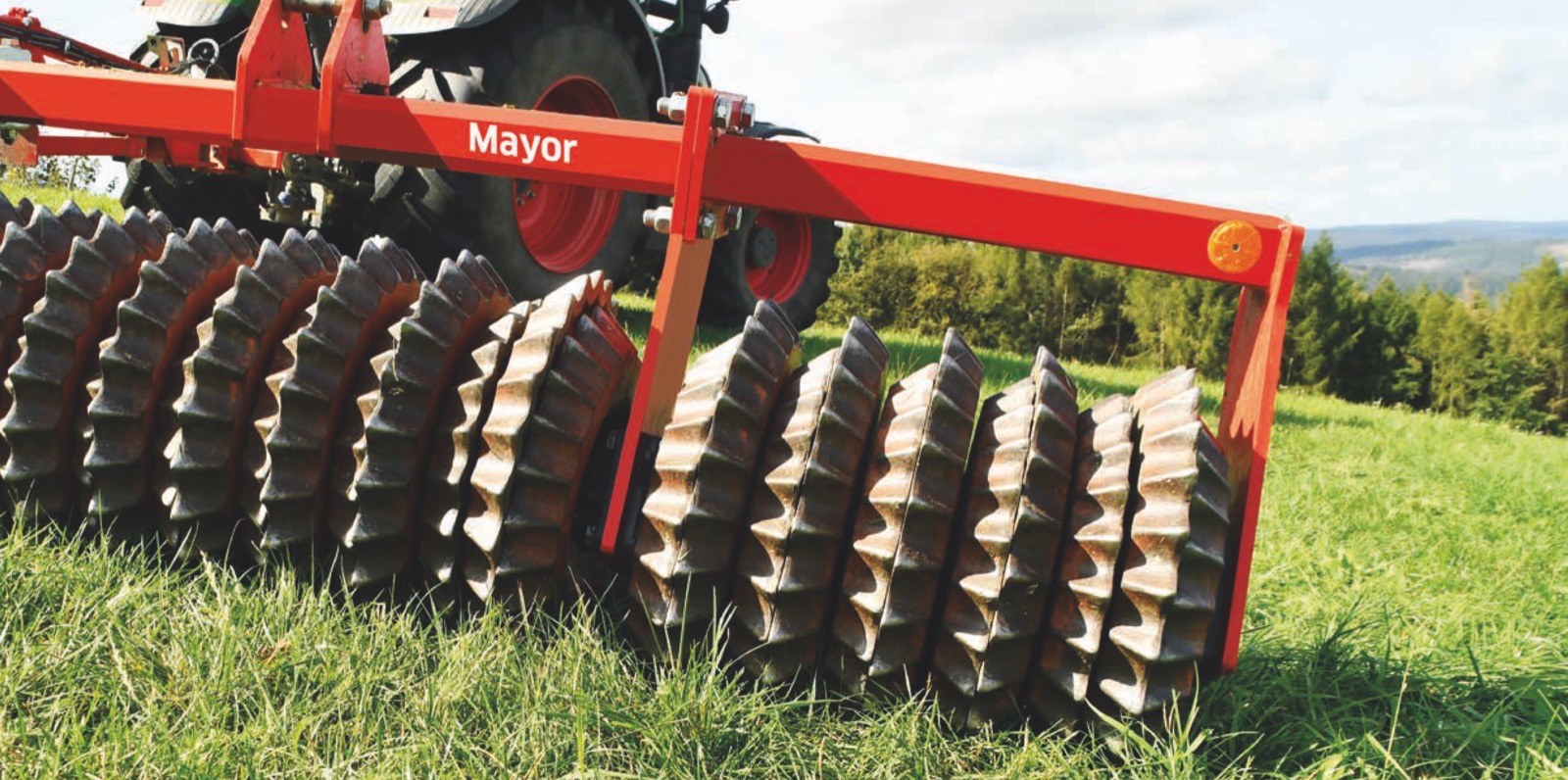
For reliable and rapid field emergence, the seed needs warmth, air and water – in as balanced a ratio as possible. That is what Fritz Güttler’s ideal seedbed stands for: firm below, loose and crumbly on top – fine soil below, coarse crumbs on top.
Seed placement on a firm seed zone with capillary water flow.
Coarse crumbs on top – protecting against capping and wind erosion.
Unlike a Cambridge roller, the Prismenwalze® does not iron the seedbed smooth – and it cleans itself.
The prism points penetrate the soil and reconsolidate it below the seed zone. The seed lies on a firm, water-conducting seed zone, and valuable germination moisture is retained. Coarse crumbs on top protect against capping and wind erosion, heavy rain can soak into the soil, and the seedbed dries off and warms up quickly.
A seedbed that is “firm and fine on top”, by contrast, caps easily. That is why the widely used Cambridge rollers were out of the question for Fritz Güttler: they literally iron the seedbed smooth.
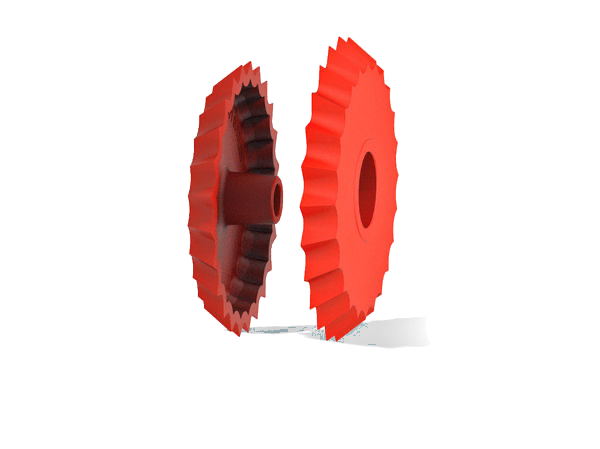
The GÜTTLER prism ring has the typical pent-roof-shaped, serrated tread. Its points radiate the pressure in a wedge shape in all directions. This results in reconsolidation with a great depth effect, and the seed is very well connected to the capillaries.
The name
Our grandfathers already valued the hoof action of sheep: winter crops were grazed by sheep in late autumn. This reconsolidated the seedbed, reduced the risk of winterkill, prevented capping and stimulated tillering before winter. On grassland, the hoof action creates a denser sward and brings the overseeded seed into firm contact with the soil.
The Prismenwalze® uses exactly this sheep’s hoof effect: 305 prism points per square metre have the same effect as a flock of sheep passing over the field – denser swards and firmly trodden-in overseeding on grassland, and an almost ideal soil structure on arable land.

Self-cleaning
Two half-rings of different sizes always work together in pairs: the smaller one sits on the shaft, the one that is 5 cm larger runs on the hub of the smaller one.
The ring pairs come in two sizes: Ø 33/38 cm and Ø 45/50 cm. On the MEDIANA with semi-synthetic rings, the smaller ring is fixed on the shaft and the larger one turns freely – the “fixed ring, freely rotating ring” principle.
SIMPLEX, AVANT and DUPLEX® work with prism rings of Ø 45, 50 or 56 cm. The SIMPLEX Prismenwalze® has non-contact scrapers made of spring steel in the gaps – easy to pull and without tedious readjustment. In the DUPLEX®, two Prismenwalze® rollers run offset one behind the other, which ensures excellent self-cleaning.
Thanks to self-cleaning, GÜTTLER rollers can also be used on moist soils. On wet, cohesive soils the prisms will of course still clog – but the soil build-up on the rings never goes beyond a certain level, and the seedbed stays firm below and loose and crumbly on top.

Reconsolidation
When tractors became bigger and heavier and left deep tracks, Fritz Güttler drew the conclusion: “Loosen as deeply as necessary to level out the tractor tracks. Then reconsolidate to restore the water-conducting capillarity.” This made him the pioneer of reconsolidation. At first he often met with incomprehension – today reconsolidation has long been taken for granted.
What the Prismenwalze® achieves: it reconsolidates across the full width – through strong lateral pressure radiation, also behind the subsoiler and independently of rows (example SIMPLEX) – and leaves a well-settled seedbed with a lower risk of winterkill (example DUPLEX®).
Experience shows that common sense should prevail when it comes to implement weights. Larger and heavier rings would be easy to design. But a larger diameter means a larger contact area and therefore less reconsolidation; a higher implement weight carries the risk of soil sealing and a lack of oxygen in the root zone.
Practical tip: Optimum reconsolidation for sugar beet drilling – MEDIANA 820 at the front, fine, firm and moist in the seed zone.

“As a rule, our soils do not suffer from a lack of reconsolidation, but from excessive compaction caused by heavy vehicles.”
Arable
The Prismenwalze® is a system roller for year-round use. GÜTTLER never actually set out to build field rollers – today the Prismenwalze® is used as a field roller before or after sowing.
| Month | Applications |
|---|---|
| December and January | Rolling down catch crops (CAP-compliant catch crop management) |
| February | Rolling winter-killed crops and stimulating tillering |
| March | Grassland maintenance with GreenMaster and MAYOR |
| April | Stimulating tillering, pressing frost-heaved roots back down (soil contact), pressing in grass seed |
| May | Seedbed preparation, rolling crops |
| June | Grassland renovation with reseeding |
| July | Cultivating oilseed rape stubble, getting volunteer oilseed rape to germinate |
| August | Sowing catch crops with GreenMaster and MAYOR |
| September | Grassland maintenance and reseeding with GreenMaster and MAYOR |
| October | Grassland maintenance with GreenMaster and MAYOR, European corn borer control, seedbed preparation, rolling crops |
| November | Corn borer control |


In addition
For monograin seeding of sugar beet, maize, vegetables and oilseed rape.
After heavy rain, flooding or in spring, the Prismenwalze® breaks crusts in existing crops or new sowings and creates the desired fine, crumbly surface; rainfall soaks in faster and gas exchange gets going again.
On the MAYOR, the levelling bar “scalps” the maize stubble at the base; 305 prism points per square metre crush and break the stubble.
Practical tip: rolling cereals in springPractical tip: breaking crustsPractical tip: corn borer controlPractical tip: catch crop management
Grassland

The Prismenwalze® found its way onto grassland almost by chance: GÜTTLER wanted to test a new trailed roller and, for lack of free arable land, drove onto grassland. The roller’s “hoofprints” caught the eye. This gave rise to the GreenMaster system; at its heart is the GÜTTLER roller with its “golden hoofprint”.
Caution on wet grassland: on moist soil, heavy implements very quickly compact the soil – with a lack of oxygen in the root zone and stagnating growth.
GreenMaster grassland equipment · Practical tip grassland maintenance · Video Grassland maintenance and overseeding with GreenMaster and Prismenwalze®
Materials
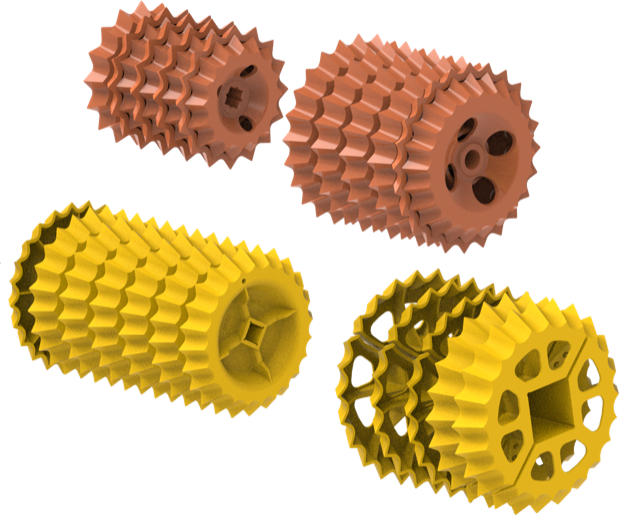
The Prismenwalze® is available from Ø 33 to 56 cm. There is the right choice for every site and every farm.
| Prismenwalze® | Weight approx. | Used on | Purpose |
|---|---|---|---|
| Ø 33/38 cm | approx. 230 kg/m | MEDIANA, GreenMaster Compact, GreenMaster 250/300 (optional) | medium-weight roller for the “final pass” to the ideal seedbed; ideal for monograin seeding |
| Ø 45/50 cm | MATADOR approx. 330 kg/m; OffSet®, MAYOR, Master, Magnum approx. 500–550 kg/m | MATADOR, OffSet®, MAYOR, Master, Magnum, FELDMEISTER® LK 30/40/45, GreenMaster Alpin | MATADOR: for soils with a higher sand content that need more reconsolidation |
| Version | same prism rings (SX/DX) also in | Soils (SIMPLEX) |
|---|---|---|
| Ø 45 cm special cast iron | AVANT 45, DUPLEX® 45, PrimusPlus 300 | Standard diameter; for medium to very heavy soils |
| Ø 45 cm Synthetic Ultra | – | for medium to heavy soils; also carries mounted and semi-mounted seed drills |
| Ø 50 cm Synthetic Ultra (with frame) | – | for medium to very heavy soils |
| Ø 56 cm Synthetic Ultra | AVANT 56 SU, FELDMEISTER® LK 60 (Simplex 56 SU) | on power harrows: for very light soils with low bearing capacity, high speed and very heavy loads |
| Ø 56 cm special cast iron, split | AVANT 56, DUPLEX® 56, FELDMEISTER® LK 60 (Simplex 56) | on the SIMPLEX only for subsoilers, not for power harrows |
In the AVANT and DUPLEX® front presses, the choice depends on the soil – how it breaks up when ploughed. That is what the implement selector by soil is for.
For the Ø 45/50 cm ring pairs, the wear parts list does not include rings made of Synthetic Ultra; the trailed rollers run as standard with a cast-iron Prismenwalze® Ø 45/50 cm.
MEDIANA, Ø 33/38 cm: the rings are available in cast iron, semi-synthetic and fully synthetic – cast iron for the “normal case”, semi-synthetic and fully synthetic to reduce weight, for light tractors. The working quality of the semi-synthetic rings is just as good as that of the solid cast-iron rings.
SIMPLEX Prismenwalze®Cultivated land rollers comparedFront presses: implement selector by soil

Spare parts
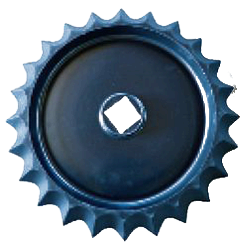
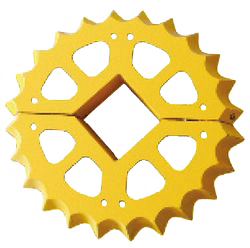
In German, GÜTTLER also calls prism rings Prismensterne or Walzensterne; on the ring pairs, the two halves are called half-rings. They are wear parts and are available as spare parts in three groups:
| Group | suitable for |
|---|---|
| Prism rings Ø 33/38 | MEDIANA and Ø 33/38 roller units (including GreenMaster Compact) |
| Prism rings Ø 45/50 | MATADOR, MAYOR, Master, Magnum and OffSet® |
| SX/DX prism rings (Ø 45, 50, 56) | SIMPLEX, AVANT and DUPLEX® |
Machines
The Prismenwalze® runs in six machine families – as a front press, as a mounted or trailed roller, as a rear implement in seedbed combinations and cultivators, as RollFix in the Super Maxx® and in grassland equipment. Choose the working width. Technical data 2026.
20 of 20 models
02 · Cultivated land rollers
Ø 33/38 cm, cast iron, semi-synthetic (SS) or Synthetic Ultra (SU)
02 · Cultivated land rollers
Ø 45, 50 or 56 cm, special cast iron or Synthetic Ultra
06 · Seedbed & cultivators
Prismenwalze® Matador Ø 45/50 cm (Matador 30, 41, 450)
06 · Seedbed & cultivators
Rear implement Simplex 56, Simplex 56 SU or DUPLEX® 45
07 · GreenMaster
Mediana 25/30 (Ø 33/38) or Matador 25/30 (Ø 45/50)
07 · GreenMaster
Matador Ø 45/50 at the rear, on the 250/300 Alpin also Mediana Ø 33/38
No machine in this working width.
Also available as an accessory: SIMPLEX 56 support roller (2.3 m) on the front tank to relieve the front axle in the field – Accessories & seeding equipment.
History
Fritz Güttler was looking for a roller that would reliably clean itself and match his idea of the ideal seedbed. Despite many setbacks, he developed a completely new type of roller with the patented Prismenwalze®. The granting of several international patents shows that it is an invention in its own right and not merely an improvement on existing things. The first patented GÜTTLER roller had a diameter of 32/35 cm. After that, the prism ring was developed further, generation by generation.
The prism ring through the years
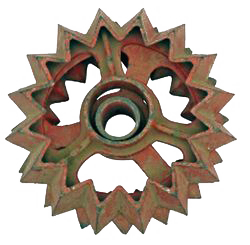 The first GÜTTLER roller
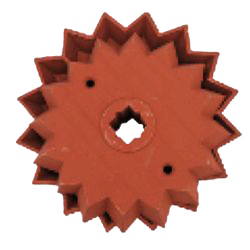 1984
“Bowl-like” shape
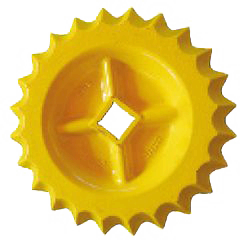 1993
Second generation
1995
Synthetic Ultra
1999
Ø 56 cm, split
Benefits
Firm and fine below, loose and crumbly on top.
Firm, water-conducting seed zone.
Coarse crumbs on top.
Reliable, rapid field emergence – and weeds that emerge evenly and can be controlled more effectively.
Ring pairs or non-contact scrapers – can also be used on moist soils.
From seedbed preparation to rolling down catch crops.
On the trailed rollers, all prism rings are mounted in one row.
No unnecessary weight to compact the soil.
Questions
A Prismenwalze® (prism roller) is a roller for arable farming and grassland maintenance whose special prism rings imitate the hoof action of a flock of sheep. The soil is reconsolidated in spots while a loose, crumbly surface forms at the same time. This is why the self-cleaning GÜTTLER Prismenwalze® is also known as “the roller with the golden hoofprint®”.
The original Prismenwalze® comes from GÜTTLER in Kirchheim unter Teck. Fritz Güttler developed the special roller principle and had it patented. “Prismenwalze®” is a protected trademark of GÜTTLER GmbH. GÜTTLER is therefore the inventor and original manufacturer of the Prismenwalze®.
Cambridge and smooth rollers leave a rather evenly reconsolidated or fine surface. The Prismenwalze® works differently: it provides reconsolidation at depth and leaves coarser crumbs on the surface. This creates an optimal seedbed: firm below, loose and crumbly on top.
Yes. 305 prism points per square metre act much like the hoof action of a flock of sheep and stimulate tillering of the grasses. At the same time, overseeded seed is pressed in well and soil contact is improved. With the GreenMaster, harrowing, seeding and rolling can be combined in a single pass.
Ø 33/38 cm (MEDIANA) is the medium-weight roller for the final pass, Ø 45/50 cm runs in the MATADOR and the trailed rollers, and the SIMPLEX is available with Ø 45, 50 and 56 cm. A larger roller diameter increases the contact area and therefore reduces reconsolidation.
Special cast iron is break-proof, even on extremely stony land; Synthetic Ultra is very light and cleans itself well, but has its limits on very stony land and sharp-edged rock.
Yes. Prism rings are available as wear parts in the groups Ø 33/38, Ø 45/50 and SX/DX; they are ordered through your GÜTTLER dealer. In extreme cases, the split 56 cm rings can be replaced without dismantling the roller.
The SIMPLEX Prismenwalze® is the trailing roller for most power harrows on the market. The mounting parts are only clamped, not welded – so the roller can also be transferred to another power harrow. GÜTTLER supplies the matching mounting parts on request, if you state the make, type and year of manufacture of the power harrow and seed drill as well as the working width and installation dimensions.
Knowledge & practice
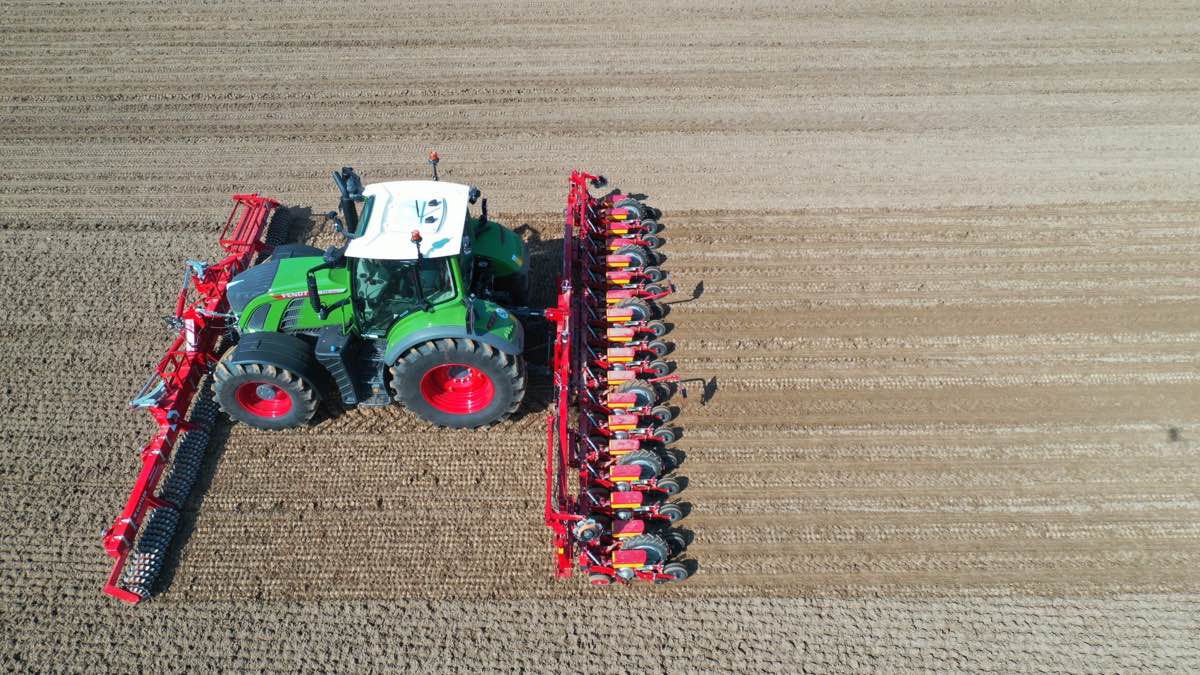
MEDIANA 820 at the front, 18-row monograin drill at the rear: fine, firm and moist in the seed zone – with a coarse, crumbly topsoil above.
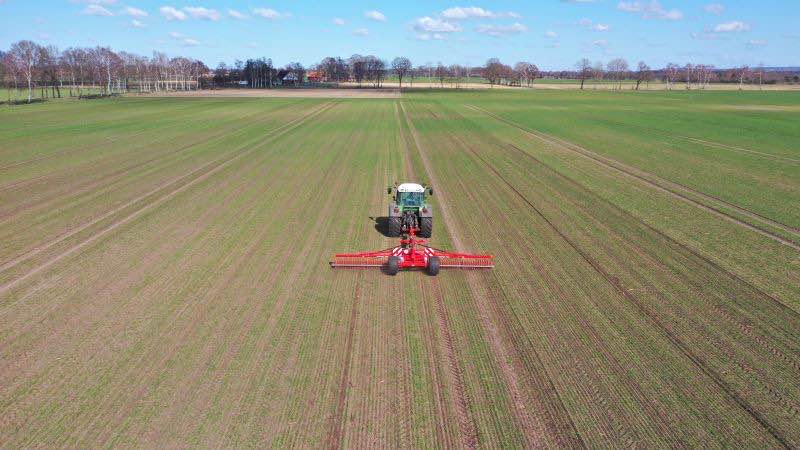 Spring
The Prismenwalze® stimulates tillering and breaks up light capping – provided there is no risk of frost before or after rolling.

Crusted soils after winter: harrow and Prismenwalze® (prism roller) break the crust without damaging the plants.

Levelling, aerating, scarifying, overseeding and reconsolidating: five operations in a single pass for more milk from forage.

At harvest, around 70% of the larvae are below the second node – so the maize stubble needs to be snapped and crushed and the root crown damaged.
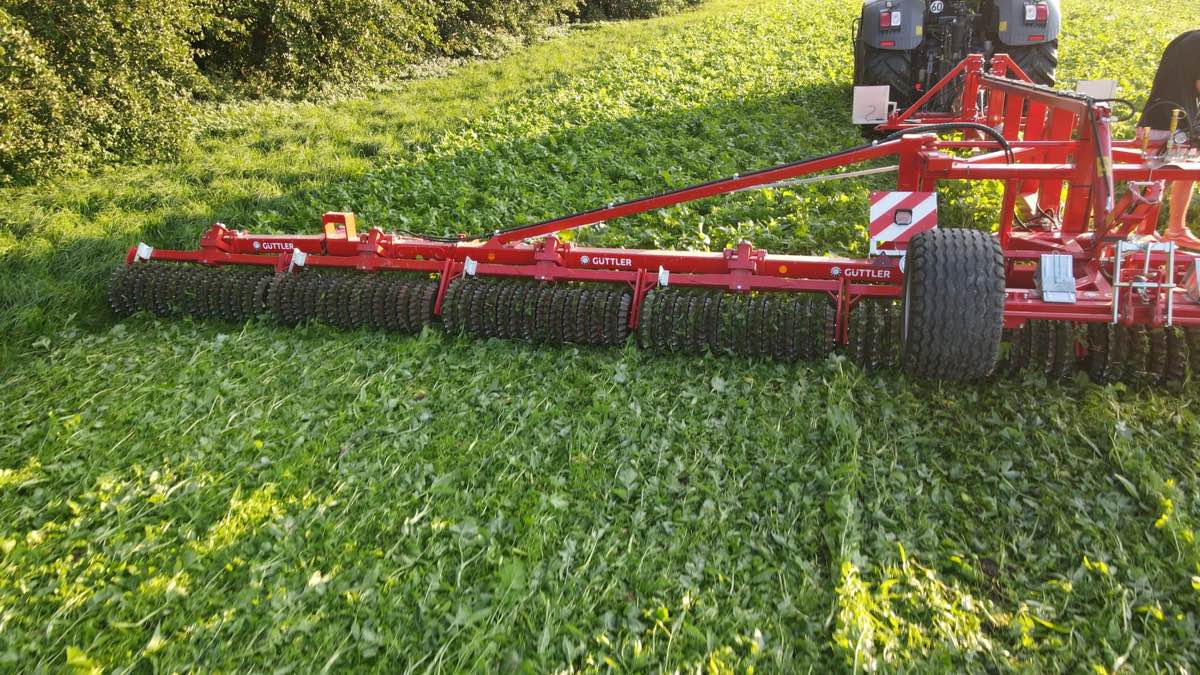
Minimum soil cover under the CAP, dense multi-species stands, rolling at the right time: how an obligation becomes a benefit for the soil.


For all questions about the seedbed and the use of GÜTTLER Prismenwalze® rollers, your GÜTTLER dealer and the GÜTTLER sales team will be happy to advise you.
AvailableMon–Fri 08:00–17:00 (German time)